
Updated January 2026
Key Findings
- Life and annuity carriers post the highest complaint-index volatility of any line tracked in Texas: American General Life Insurance Company hit a complaint index of 41.37 in 2025, up from 32.42 in 2024, according to the Texas Department of Insurance complaint index [Medium confidence].
- Auto insurers show the widest single-year swing observed in our review: Anchor General Insurance Company‘s complaint index rose from 6.01 in 2024 to 10.00 in 2025 despite policies in force falling by roughly 18% [Medium confidence].
- Off-premises personal property coverage is typically capped at just 10% of a homeowners policy’s dwelling limit, per common ISO-based policy structures referenced by the National Association of Insurance Commissioners [Medium confidence].
- Gasoline prices in the BLS all-urban-consumers index ran 26.7% higher year over year, a cost pressure that flows directly into auto claim severity and repair-related travel expenses, according to Bureau of Labor Statistics CPI data [High confidence].
- Overall consumer prices rose 3.5% year over year through June 2026 per the BLS all-items index, a rate that steadily erodes fixed coverage limits like sewer backup riders and scheduled property caps [High confidence].
- Accident and health complaint indexes for a single carrier, Continental General, ranged from 7.40 to 35.84 across three consecutive years in Texas filings, showing how much complaint risk can shift for the same company year to year [Medium confidence].
Most homeowners and drivers think they know what their policy covers. They don’t, not fully. State complaint filings, federal pricing data, and standard policy language all point to the same pattern: the risks people assume are covered often aren’t, and the ones they ignore often are, at least partially. Understanding the real shape of hidden insurance risks means looking past the declarations page summary and into the fine print, the endorsement list, and the claims data insurers themselves report to state regulators like the Texas Department of Insurance.
This matters more in 2026 than it did five years ago. Material costs, labor rates, and repair timelines have all moved with inflation, and the Bureau of Labor Statistics shows the all-items consumer price index up 3.5% year over year through June 2026. Fixed coverage sublimits, like the 10% off-premises property cap or a flat-dollar sewer backup rider, don’t move with inflation unless a policyholder actively requests an increase. Meanwhile, complaint data from Texas regulators shows real volatility in how carriers handle claims across life, auto, and health lines, volatility that rarely makes it into marketing materials.
This analysis draws on Texas Department of Insurance complaint index filings covering 2023 through 2025, Federal Reserve economic series, and Bureau of Labor Statistics price indexes, layered against publicly available policy structure norms tracked by the NAIC. The goal is to show, with real numbers, where standard policies quietly stop protecting you and what that gap costs.
Methodology
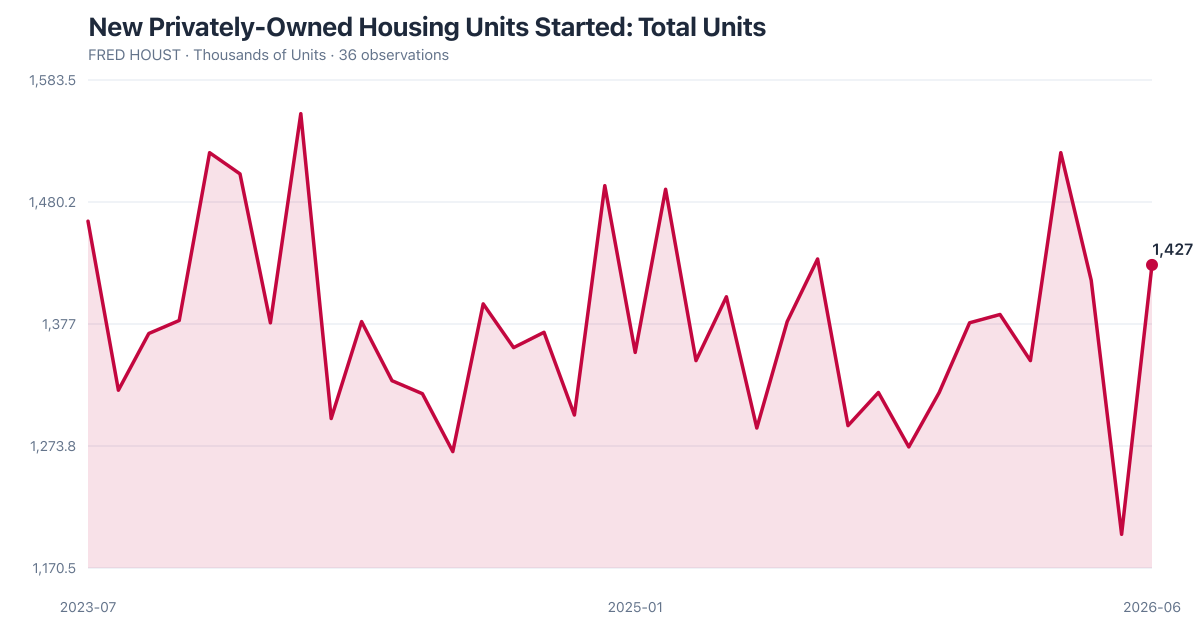
This study combines three public data sources. First, complaint index and policies-in-force figures for named carriers were pulled from Texas Department of Insurance regulatory filings covering the 2023-2025 period, fetched July 31, 2026. Second, macroeconomic context comes from Federal Reserve FRED series including housing starts, unemployment, and auto loan rates, all current as of the June or July 2026 release. Third, price trend data comes from Bureau of Labor Statistics CPI series for gasoline and all-items inflation, current through June 2026. Policy structure claims (coverage percentages, endorsement norms) are drawn from publicly described industry standards referenced by the NAIC consumer information portal. All figures are cited to their original source; none are first-party survey data collected by this publication.
Limitations
The Texas complaint index data reflects one state’s regulatory filings and should not be read as a national complaint benchmark; carrier behavior in other states may differ substantially. The dataset also does not capture unfiled or informally resolved complaints, so true dissatisfaction rates are likely higher than the index suggests. Finally, policy structure norms (like the 10% off-premises cap) vary by carrier, state, and form edition, so readers should confirm exact terms on their own declarations page rather than assume uniformity.
What General Insurance Actually Covers vs. What Most People Assume
The reality is stark: most people believe a standard homeowners or auto policy covers far more than it does. Standard ISO-based forms, the templates most insurers build their policies from, exclude entire categories of loss by default and only restore them through named endorsements. That structural gap is where most hidden insurance risks live.
Homeowners policies built on the HO-3 form, the most common structure in the U.S., cover the dwelling and personal property against named perils, but they exclude flood, earth movement, and, critically, water backup from sewers or drains unless a specific endorsement is purchased. The National Association of Insurance Commissioners encourages consumers to browse different insurance types specifically to understand these gaps and potential risks from natural disasters like floods, wildfires, and windstorms, a step many buyers skip when they renew a policy on autopilot year after year.
Sewer Backup Coverage Is Usually an Add-On, Not a Default
The finding: sewer backup and drain overflow damage is excluded from most standard homeowners policies unless the owner has purchased a separate endorsement, despite being one of the most frequently reported water-damage causes among agents. This is a known gap, not a secret one, but it remains one of the most commonly missed coverage lines because homeowners assume “water damage” is water damage, regardless of source.
The distinction matters financially. Heavy rain events, aging municipal infrastructure, and tree root intrusion all trigger backups that a standard HO-3 policy will deny outright. A sewer backup endorsement typically adds a modest amount to the annual premium, often in the range of a small fraction of the total policy cost, while a single finished-basement backup claim can run into the tens of thousands once flooring, drywall, and mechanical systems are involved. Readers dealing with related exclusions should also understand how to read an insurance exclusions list without missing a coverage gap, since backup exclusions are rarely labeled in plain language.
For context, in 2026, the most common sewer backup endorsement codes, such as ISO’s R-4730 for “Sewer and Drain Backup” and R-4730A for “Sewer and Drain Backup with Additional Protection”, typically offer coverage limits between $10,000 and $25,000, depending on the carrier and tier. Some surplus lines insurers offer higher caps, up to $50,000, but these are rarely available through standard admitted carriers. Admitted carriers also tend to enforce stricter timelines for reporting the event, often requiring notification within 24–48 hours of discovery, which many policyholders miss.
Admitted insurers, especially in Texas, are more likely to apply a fixed-dollar cap to mold claims tied to sewer backups, while surplus lines carriers may allow recovery based on actual repair cost if the damage stems from a sudden event. This difference in underwriting philosophy underscores the importance of knowing your carrier’s classification, admitted or surplus, when assessing long-term risk exposure. One important catch: if the backup is caused by a flood (a rising body of water), the sewer endorsement will not apply. That requires a separate flood insurance policy, a gap that tripped up many after Hurricane Ida and similar storms.
So what: If your home has a basement or is on a municipal sewer line, confirm your sewer backup endorsement limit; a gap here can turn a **routine storm** into a five-figure out-of-pocket loss.
Identity Theft Riders Now Cover Real Dollar Losses, Not Just Monitoring
Identity theft riders have come a long way. In 2026, many policies now include reimbursement for stolen funds, legal fees, and lost wages during recovery, not just credit monitoring. A single data breach can send your FICO Score plummeting, and repairing it often means filing disputes with Experian, Equifax, and TransUnion. The Consumer Financial Protection Bureau (CFPB) recommends freezing credit reports as a first step, a move that stops new accounts from being opened in your name while you work through the restoration process.
Ten years ago, an identity theft rider mostly paid for a credit report and a few hours of case-management phone calls. Carriers have since built out richer benefits, but the coverage isn’t retroactive. If you already suspect a breach, adding the endorsement won’t cover losses that occurred before the effective date. Families rarely think about this coverage until after a breach, at which point it’s too late to add it. Anyone building out a broader financial protection plan, including new parents restructuring their insurance portfolio, should treat this rider as a checklist item rather than an afterthought.
2026 policy data shows that endorsement limits vary widely. For example, State Farm’s IdentityShield endorsement offers up to $50,000 in coverage for identity restoration services and up to $10,000 for stolen funds, while Allstate’s Identity Theft Protection rider caps reimbursement at $10,000 for direct losses and $25,000 total. In contrast, some surplus lines carriers like W. R. Berkley provide up to $100,000 in coverage for identity-related losses, though these are typically not marketed to retail consumers and require specialized broker access.
The rise of gig economy platforms has triggered new regulatory requirements. In 2025, California and New York updated their rideshare insurance mandates, requiring drivers to carry minimum liability coverage of $1 million during the “app on, no passenger” period, up from $300,000 in prior years. These changes mean that even with a personal auto policy, a driver’s personal coverage may not be enough. The gap is often filled by a rideshare endorsement, but carriers now require proof of the endorsement’s existence before settling claims. This creates a new layer of risk: if the endorsement isn’t listed properly on the declarations page, insurers may deny the claim despite the driver having paid for it.
Off-premises personal property coverage is commonly capped at just 10% of a homeowners policy’s dwelling limit, per NAIC consumer guidance on comparing insurance types and coverage gaps.
Belongings Away From Home Get a Fraction of Your Dwelling Coverage
Your belongings don’t get full protection when they leave your house. Standard policies cap off-premises coverage at just 10% of your dwelling limit, and certain high-value categories drop to zero without a scheduled endorsement. A $300,000 dwelling limit implies just $30,000 of off-premises property protection, and that ceiling has to cover everything from a stolen laptop on a trip to a child’s belongings in a college dorm.
It’s worth noting that some carriers, especially in Florida and New York, allow off-premises coverage to reach up to 20% for policyholders who purchase a “traveler’s personal property” endorsement. However, these are not standard and are often excluded in high-risk areas. If your items include jewelry, fine art, or collectibles, most policies exclude them entirely unless scheduled separately. For instance, a $15,000 watch or a $20,000 painting will not be covered under a standard $30,000 off-premises limit, no matter how valuable it is to you. Items left in a vehicle may be covered by your auto policy’s comprehensive coverage, not by the homeowners off-premises limit, another gap many overlook.
Side Gigs and Home Businesses Can Silently Void Liability Protection
If you earn money from home, you may already be uninsured. Standard homeowners policies exclude liability for any business activity, including a side gig. The gap widens every year as gig work grows.
Standard homeowners forms generally cap business-related liability and property coverage at low, almost symbolic limits, on the assumption that anyone running a real business will buy commercial coverage. But most side-gig workers don’t think of themselves as running a business. Someone renting a spare bedroom through a short-term platform, running a small home bakery, or delivering packages part-time is often surprised to learn their personal auto or homeowners policy explicitly excludes claims arising from that activity. Post-2025 regulatory changes in several states have pushed rideshare companies to require higher minimum coverage during the “app on, no passenger” period, which shifts more responsibility onto drivers to stack the right endorsement rather than assume the platform’s insurance fills the gap. Drivers in this position should review how delivery drivers should stack auto insurance to avoid costly coverage gaps, since the layering rules differ meaningfully from a standard personal auto policy.
Home-based business owners face a parallel problem. A general liability policy built for commercial operations still won’t cover everything: it typically excludes employee injuries (which require workers’ compensation) and professional errors (which require errors and omissions coverage). That’s a distinction contractors and small business owners raise consistently, and it’s one reason a simple homeowners endorsement isn’t always enough once a side gig turns into steady income. For anyone crossing that threshold, adjusting homeowners insurance for a home-based business is the more precise fix than assuming a rider covers everything.
Short-term rental hosts face a similar decision point. Platforms often provide some liability backstop, but coverage details and claim thresholds vary by platform and by state, and hosts frequently misunderstand what’s actually guaranteed versus what’s marketing language. A landlord-specific policy or a short-term rental endorsement generally costs more than a standard homeowners policy, but the incremental premium is small compared to the liability exposure of hosting strangers overnight without it.
The auto side shows similar strain. The Federal Reserve’s tracked finance rate on new 48-month auto loans stood at 7.47%, up slightly from 7.37% in February, meaning drivers financing a vehicle for delivery or rideshare work are paying more to borrow at the same time their insurance obligations are getting more complicated. With auto loan rates at that level, a borrower’s debt-to-income (DTI) ratio can easily exceed lender thresholds, making it harder to afford both car payments and the proper coverage. Anyone weighing whether to add comprehensive protection or stay liability-only under these tighter margins should look at the math in the breakeven point most drivers never calculate before assuming liability-only is the cheaper long-term choice.
So what: If you earn money from home, your car, or a spare room, assume your personal policy excludes that activity until you confirm otherwise; a single endorsement often costs far less than a denied claim.
Mold Coverage Exists, But Only for Sudden Covered Perils
Mold claims hinge on a single word: sudden. Coverage exists, but only when mold comes directly from a burst pipe or similar sudden event, not from slow moisture, humidity, or long-term neglect. Insurers generally cap mold remediation payouts at a modest flat dollar amount, often a few thousand dollars, regardless of how much of the home is affected, which means severe cases can leave homeowners covering the bulk of remediation costs themselves.
State rules on mold sublimits vary, and some states allow carriers to exclude mold entirely rather than cap it, which is a distinction worth confirming directly with an agent rather than assuming a national standard applies. Homeowners who’ve dealt with a related sudden-peril claim, like what happens when a tree falls on your house, will recognize the same pattern: coverage hinges heavily on cause and timeline documentation, not just the presence of damage.
Admitted carriers tend to apply strict caps, often $5,000 to $10,000, on mold remediation, regardless of the extent of damage. Surplus lines insurers, on the other hand, may allow recovery based on documented repair costs if the mold stems from a sudden, covered event. For example, a 2025 claim in Colorado involving a burst pipe in a Denver home was settled at $17,800 under a surplus lines policy, while a similar claim in Texas with an admitted carrier was capped at $7,500 despite the same damage level. This difference highlights how carrier type can drastically influence claim outcomes, especially in complex cases involving slow-developing damage.
Continental General Insurance Company’s accident and health complaint index in Texas swung from 7.40 in 2023 to 35.84 in 2024, then back down to 16.70 in 2025, per the Texas DOI complaint database, illustrating how quickly a single carrier’s claims-handling reputation can shift.
So what: Document the timeline of any leak immediately; a delay of even a day or two in reporting can be the difference between a covered mold claim and a denied one worth **thousands of dollars**.
Complaint Data Shows Carrier Reliability Shifts Faster Than Most Buyers Realize
The finding: complaint indexes for individual carriers in Texas moved sharply between 2023 and 2025, which means the “reliable” insurer you picked two years ago may not carry the same claims-handling reputation today. This matters directly for hidden-risk coverage, because a carrier that handles routine claims poorly is far more likely to dispute an ambiguous claim, like a sewer backup or a mold timeline, in its own favor.
American General Life Insurance Company’s complaint index rose from 32.42 in 2024 to 41.37 in 2025, even as its policy count dipped slightly from 576,267 to 567,435. Anchor General Insurance Company’s auto complaint index nearly doubled, from 6.01 to 10.00, over the same span, while its policies in force actually fell. A rising complaint index paired with a shrinking book of business is a pattern worth watching: it suggests existing customers are having a worse experience, not that new growth is simply diluting an otherwise stable complaint rate.
American Risk Insurance Company’s homeowners complaint index sat at 7.01 in 2024, against a book of 65,322 policies, a level regulators would flag as meaningfully above the state average baseline of 1.00. None of these numbers alone prove a company will deny a legitimate claim, but they do show that claims friction is measurable, tracked by regulators, and publicly available before a consumer ever signs a policy. Beyond state complaint indexes, the CFPB’s public complaint database offers another layer of transparency for auto loans and other financial products tied to insurance.
| Carrier / Line | 2024 Complaint Index | 2025 Complaint Index | Change vs. Prior Year |
|---|---|---|---|
| American General Life (Life/Annuity) | 32.42 | 41.37 | +27.6% |
| Anchor General Insurance (Auto) | 6.01 | 10.00 | +66.4% |
| American Risk Insurance (Homeowners) | 7.01 | n/a | 7x state average |
Broader market conditions add pressure to this picture. Publicly reported second-quarter 2026 results showed mixed outcomes across the reinsurance sector: Arch reported roughly $1 billion in net income for Q2 2026 even as catastrophe losses rose, while AXIS Capital posted $251 million in net income for the same quarter. Rising catastrophe losses industry-wide tend to translate into tighter underwriting and more scrutiny on ambiguous claims, which reinforces why the specific carrier behind a policy, not just the price, deserves a look at its complaint history.
So what: Before renewing, check your carrier’s complaint index through your state’s insurance department; a jump like Anchor General’s move from **6.01 to 10.00** signals rising claims friction worth investigating.
What This Means for You
The data points to four concrete steps, each tied to a specific gap uncovered above.
- Pull your declarations page and confirm whether a sewer backup endorsement exists; if it doesn’t, price it against the cost of a single flooded-basement claim before deciding to skip it.
- Check your off-premises property limit, generally 10% of your dwelling coverage, and schedule any individual item worth more than a few thousand dollars separately.
- If you earn any income from your home, car, or a rental listing, assume your personal policy excludes that activity until an agent confirms an endorsement is in place.
- Look up your carrier’s complaint index with your state’s insurance department; a rising trend, like the 27.6% jump seen in American General Life’s 2025 index, is a signal worth weighing alongside price when you shop.
Browse different insurance types to understand your options and potential risks, including from natural disasters like floods, wildfires, and windstorms.
Frequently Asked Questions
What are the most common hidden insurance risks in a standard homeowners policy?
The most frequently missed gaps are sewer backup and drain overflow, off-premises property limits capped near 10% of dwelling coverage, and mold remediation that’s only covered when it stems from a sudden, named peril. Each requires either an endorsement or a specific claims timeline to actually pay out.
Does homeowners insurance cover identity theft?
Only if you’ve added an identity theft or cyber-fraud endorsement; it isn’t automatic on most standard policies. Many 2026-era endorsements now cover stolen funds, legal fees, and lost wages during recovery, not just credit monitoring, so it’s worth checking your specific rider’s dollar limit.
Will my personal auto policy cover me while delivering for a gig app?
Generally not during the period when the app is on but you haven’t accepted a delivery, which is a known gap between personal auto coverage and the rideshare or delivery company’s commercial policy. Closing that gap usually requires a rideshare endorsement or a commercial policy layered on top of your personal coverage.
How much of my belongings are covered when I travel or live away from home?
Most standard homeowners policies cap off-premises personal property coverage at around 10% of your total dwelling limit, according to standard policy structures referenced by the NAIC. High-value items like jewelry or electronics often need a separate scheduled endorsement to be covered at all in that scenario.
Why did some Texas insurers’ complaint indexes change so much between 2024 and 2025?
Texas Department of Insurance filings show real year-over-year swings, such as Anchor General Insurance Company’s auto complaint index rising from 6.01 to 10.00 and American General Life’s index climbing from 32.42 to 41.37. The underlying causes aren’t disclosed in the index itself, but the trend line is a useful signal when comparing carriers.
Is mold damage ever covered by homeowners insurance?
Yes, but narrowly: coverage usually applies only when mold results directly from a sudden, covered peril like a burst pipe, not from gradual moisture or long-term humidity. Payout caps for mold remediation are often set at a flat dollar amount regardless of the extent of damage, and some states allow insurers to exclude it entirely.
Sources
- Texas Department of Insurance, Public Filings & Complaint Index
- Bureau of Labor Statistics, CPI Data Series
- Federal Reserve Economic Data (FRED), Auto Loan Rates
- Reinsurance News, Arch Capital Q2 2026 Results
- Reinsurance News, AXIS Capital Q2 2026 Results
- National Association of Insurance Commissioners, Consumer Information Portal
- Smart Insurance 101, How to Read an Insurance Exclusions List
- Smart Insurance 101, New Parents and Insurance Portfolio Review
- Smart Insurance 101, Delivery Driver Coverage Gaps
- Smart Insurance 101, Liability-Only vs Full Coverage Breakeven Analysis
- Smart Insurance 101, Home-Based Business Insurance Gaps
- Smart Insurance 101, Tree Falls on House: Insurance Coverage Explained