
Fact-checked by the Smart Insurance 101 editorial team
Quick Answer
Choosing between standard homeowners insurance and high value home insurance comes down to your home’s rebuild cost and asset profile., homes valued above $750,000 typically need a high-value policy to avoid a coverage gap. Determine your rebuild cost, inventory your valuables, compare policy limits, and request quotes from specialty carriers like Chubb or AIG Private Client Group.
Most homeowners choose their coverage tier by accident, they buy a policy when they close on the house, never revisit it, and discover the gap only after a catastrophic loss. In July 2025, the Insurance Information Institute reports that the average homeowners insurance claim now exceeds $15,000, yet millions of high-net-worth homeowners remain dangerously underinsured because their standard HO-3 policy cannot keep pace with today’s construction costs or the true replacement value of their belongings.
Rising material costs, climate-related losses, and surging home valuations have made this decision more consequential than it was even five years ago. According to CoreLogic’s 2024 Home Price Insights, U.S. home values climbed over 47% between 2019 and 2024, meaning a policy that was adequate five years ago may now leave you with a six-figure coverage gap after a total loss. If you are also navigating rising premiums, our guide on why insurance premiums are exploding provides important context for understanding what is driving costs upward.
This guide is for homeowners, real estate investors, and financial planners who want a clear framework for determining which policy type fits their situation. By the end, you will know exactly what triggers the need for high-value coverage, what specialty policies include that standard ones do not, and how to get the right protection without overpaying.
Key Takeaways
- Homes with a dwelling replacement cost above $750,000 generally qualify for, and benefit from, high-value specialty policies unavailable through standard carriers.
- Standard HO-3 policies cover personal property at actual cash value (ACV) by default, meaning depreciation is deducted from every claim; high-value policies almost always pay replacement cost value (RCV) with no depreciation penalty, according to the Insurance Information Institute.
- High-value home policies from carriers like Chubb and AIG Private Client Group typically include guaranteed replacement cost coverage, meaning they pay to rebuild even if costs exceed your policy limit by 20–50% or more.
- Jewelry, art, and collectibles are capped at $1,500–$2,500 per item under most standard HO-3 policies without a scheduled rider, per III data; high-value policies offer agreed-value coverage with no sub-limits for fine art, wine, or jewelry collections worth hundreds of thousands.
- The average annual premium for a high-value home policy ranges from $2,500 to $8,000+ depending on location and coverage scope, compared to $1,915 for a standard policy nationally, according to Bankrate’s 2024 analysis.
- Insurers such as Chubb, AIG, PURE Insurance, and Cincinnati Insurance serve the high-net-worth segment exclusively, offering risk management consultations and cash settlement options that standard carriers do not provide.
In This Guide
- What Is High Value Home Insurance and How Is It Different from Standard Coverage?
- How Do I Know If My Home Actually Needs High Value Home Insurance?
- What Does a High Value Home Policy Cover That a Standard Policy Does Not?
- How Do I Compare Standard Homeowners Insurance vs High Value Home Insurance Side by Side?
- How Do I Get High Value Home Insurance and What Do I Need to Apply?
- How Much Does High Value Home Insurance Cost and Is It Worth It?
- Frequently Asked Questions
Step 1: What Is High Value Home Insurance and How Is It Different from Standard Coverage?
High value home insurance is a specialty policy designed for homes with dwelling replacement costs typically above $750,000, offering broader coverage, higher limits, and features that standard HO-3 policies simply do not include. Understanding this distinction is the essential first step before shopping for coverage.
The Core Difference
A standard HO-3 policy, the most common homeowners policy in the U.S., covers your dwelling on an open-perils basis but insures personal property on a named-perils basis. Coverage limits are set at the time of purchase and may not automatically adjust for inflation or rising construction costs.
High-value policies are built around guaranteed replacement cost for the dwelling and agreed value for personal property. The insurer commits to paying the full cost to rebuild or replace, even if that cost exceeds your stated limit. You can get a solid grounding in how standard policies work in our homeowners insurance beginner’s overview before exploring specialty coverage.
Who Underwrites High-Value Policies?
Specialty high-net-worth carriers include Chubb, AIG Private Client Group, PURE Insurance (Privilege Underwriters Reciprocal Exchange), Cincinnati Insurance, and Openly. These companies operate in a separate market segment from mass-market carriers like State Farm or Allstate.
Each of these carriers employs dedicated appraisers who assess your home’s actual rebuild cost before issuing a policy, a process that rarely happens with standard carriers, where you simply input a home value online.
Standard homeowners policies are governed by ISO (Insurance Services Office) form HO-3. High-value carriers write policies on proprietary manuscript forms, which means the coverage language itself is broader and more favorable to the policyholder.
Step 2: How Do I Know If My Home Actually Needs High Value Home Insurance?
You likely need high value home insurance if your home’s dwelling replacement cost exceeds $750,000, if you own significant fine art or jewelry collections, or if your net worth makes a liability lawsuit a credible financial threat. Meeting even one of these criteria is usually enough to warrant a specialty policy review.
The Replacement Cost Test
The most important trigger is dwelling replacement cost, not market value. A home in a desirable neighborhood might sell for $1.2 million, but the cost to rebuild it from the ground up using current labor and materials could be $900,000 or more. Construction costs rose over 30% between 2020 and 2024 according to Bureau of Labor Statistics Producer Price Index data for construction.
Use a professional rebuild cost estimator, many specialty carriers offer this as a free pre-quote service. Tools from CoreLogic and e2Value are industry standards used by underwriters to establish accurate replacement costs.
The Personal Property Test
Standard HO-3 policies cap jewelry claims at roughly $1,500 and silverware at $2,500 without a rider. If your home contains art, wine, antiques, or jewelry worth more than $50,000 combined, standard coverage will leave you dramatically undercompensated after a loss.
The Liability Test
High-net-worth homeowners are statistically more likely to face personal liability lawsuits. Standard policies typically cap personal liability at $300,000 to $500,000. High-value policies routinely offer $1 million to $100 million in liability coverage. For a deeper look at liability exposure, our article on why lawsuits are quietly getting more expensive explains the legal environment driving these risks.
Who This Is Not a Good Fit For
High-value home insurance is not the right answer for every expensive home. If your dwelling replacement cost sits in the $600,000 to $750,000 range, a standard HO-3 policy with an extended replacement cost endorsement and a few scheduled personal property riders may cover you adequately at a lower premium. Specialty carriers also underwrite more selectively, homes with significant deferred maintenance, older electrical systems, or a history of multiple claims may be declined or face premiums that strain any cost-benefit calculation. The decision deserves a real appraisal, not an assumption.
Request a free replacement cost appraisal from a specialty carrier before deciding. Chubb and PURE Insurance both offer complimentary home risk assessments that often reveal a coverage gap of 20% or more, at no obligation to purchase.
Step 3: What Does a High Value Home Policy Cover That a Standard Policy Does Not?
A high value home insurance policy covers several categories that standard HO-3 policies either exclude entirely or severely limit, including guaranteed rebuild coverage, cash settlement options, and extended replacement for fine art. These differences are not minor fine print; they represent potentially hundreds of thousands of dollars in a real claim scenario.
Guaranteed and Extended Replacement Cost
Guaranteed replacement cost means the carrier pays the full cost to rebuild your home to its original quality, regardless of whether that cost exceeds your policy limit. Some carriers use extended replacement cost, which pays a defined percentage above your limit (commonly 25% to 50%). Standard policies offer neither, they stop at your stated dwelling limit, period.
After the 2017 California wildfires, thousands of homeowners discovered their standard policies fell short by an average of $300,000 to $400,000 according to reporting by the Los Angeles Times. High-value policyholders with guaranteed replacement cost provisions were fully rebuilt.
Cash Settlement Option
Most high-value carriers allow you to take a cash settlement equal to the full policy value if your home is destroyed, without requiring you to rebuild. Standard policies typically require you to actually rebuild before paying the full replacement cost amount, not just the ACV.
Scheduled Personal Property Coverage
High-value policies allow you to schedule specific items, art, jewelry, wine, collectibles, at their agreed appraised value. There are no sub-limits and no depreciation. If your Basquiat painting is appraised at $200,000, that is exactly what you receive if it is destroyed. Standard HO-3 policies offer no comparable mechanism without a costly separate inland marine policy.
Additional Coverages Unique to High-Value Policies
- Identity theft restoration services (full case management, not just credit monitoring)
- Cyber coverage for smart home system breaches
- Domestic staff workers’ compensation
- Temporary living expenses with no dollar cap (just a time limit of 24 months or more)
- Coverage for homes under renovation or seasonal/secondary residences under one policy

According to the Insurance Information Institute, standard homeowners policies cap loss-of-use (additional living expenses) coverage at 20% of the dwelling limit, often $100,000 to $200,000. High-value policies from carriers like PURE Insurance provide uncapped living expense coverage for up to 24 months after a total loss.
Step 4: How Do I Compare Standard Homeowners Insurance vs High Value Home Insurance Side by Side?
The best way to compare standard and high value home insurance is to evaluate five core coverage categories: dwelling protection method, personal property valuation, liability limits, special collections coverage, and included services. The differences in each category determine whether a standard policy creates dangerous financial exposure for your specific situation.
The Head-to-Head Comparison
Use the table below to evaluate where standard coverage ends and where specialty coverage begins. Every figure comes from published carrier guidelines and industry research.
| Coverage Category | Standard HO-3 Policy | High Value Home Policy |
|---|---|---|
| Dwelling Replacement | Up to stated limit only (typically $300K–$750K) | Guaranteed replacement cost, no cap on rebuild costs |
| Personal Property Valuation | Actual cash value (ACV) with depreciation deducted | Replacement cost value (RCV), no depreciation penalty |
| Jewelry Sub-Limit | $1,500 per item / $2,500 total without rider | Agreed value per item, up to $1M+ with appraisal |
| Fine Art Coverage | $2,500 limit; perils only (fire, theft) | Scheduled at appraised value; all-risk including breakage |
| Personal Liability | $100,000–$500,000 | $1 million–$100 million |
| Additional Living Expenses | 20% of dwelling limit (~$60K–$150K) | Uncapped; typically 24-month time limit |
| Sewer/Water Backup | Excluded unless endorsement added ($5K–$25K limit) | Typically included; limits up to $250,000 |
| Risk Management Services | None | Free home appraisals, fire mitigation, security audits |
| Annual Premium (National Average) | $1,915 (Bankrate 2024) | $2,500–$8,000+ depending on location and coverage |
The gap between what a standard policy pays and what it actually costs to rebuild a luxury home can easily exceed $500,000. Guaranteed replacement cost is not a premium feature, for expensive homes, it is the baseline protection that makes a policy worth having. According to the Insurance Information Institute, standard HO-3 policies offer neither guaranteed nor extended replacement cost by default, meaning any rebuild cost overrun comes directly out of your pocket.
For homeowners who want to maximize value while ensuring adequate coverage, our article on ways to get the best home insurance coverage and save money offers strategies applicable to both standard and high-value policy shoppers.
Do not assume your mortgage lender’s minimum required insurance amount equals adequate coverage. Lenders require only enough to cover their loan balance, not the full rebuild cost of your home. Many homeowners discover a six-figure gap only after a total loss forces the issue.
Step 5: How Do I Get High Value Home Insurance and What Do I Need to Apply?
To get high value home insurance, you will need a current replacement cost appraisal, a home inventory for valuables, three to five years of claims history, and quotes from at least two specialty carriers. The process typically takes seven to fourteen business days from initial contact to policy issuance.
How to Do This
Start by contacting an independent insurance broker who specializes in high-net-worth clients. Brokers like DeWitt Stern, Lockton Private Client, or larger agencies that represent Chubb and PURE Insurance have direct access to specialty markets that standard agents cannot reach. Working with a specialist broker often results in better pricing and broader terms than going directly to a carrier’s website.
Next, commission a replacement cost appraisal for your home from a certified appraiser or through your chosen carrier’s complimentary assessment program. Separately, create or update a detailed home inventory for jewelry, art, wine, and electronics. Most carriers accept professional appraisals (required for items over $50,000) and will schedule them for agreed-value coverage.
Gather the following documents before your first broker conversation:
- Current homeowners insurance declarations page
- Your home’s square footage, construction type, and year built
- Appraisals or purchase receipts for high-value items
- Five-year claims history (your current carrier can provide a CLUE report)
- Details on security systems, fire suppression systems, and proximity to a fire station
Understanding the full range of insurance types available to you can also help when bundling policies. Our guide to types of insurance and their benefits provides useful context for building a personal insurance strategy that holds together across all your assets.
What to Watch Out For
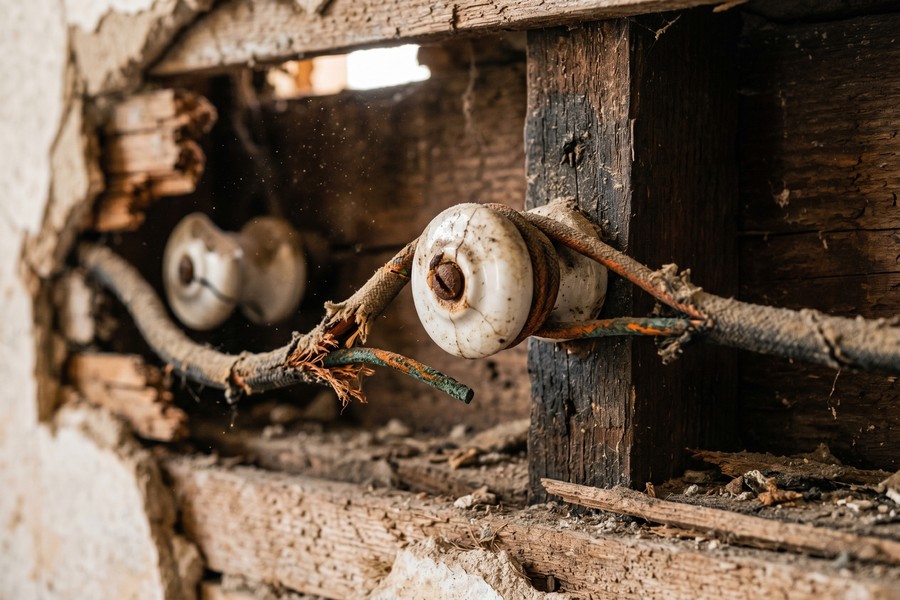
Carriers in this market segment underwrite more carefully than standard insurers. Homes with prior claims in the last three to five years, certain construction types (older knob-and-tube wiring, for example), or locations in high-risk fire or flood zones may face higher premiums, coverage restrictions, or declination. Address deferred maintenance and security gaps before applying, they will be noted during the risk assessment.
Request a complimentary home risk assessment from Chubb or PURE Insurance before committing to any policy. Both carriers send a risk engineer to your home at no charge. The written report identifies coverage gaps, security vulnerabilities, and mitigation opportunities, and can be used to negotiate better terms with any carrier.
Step 6: How Much Does High Value Home Insurance Cost and Is It Worth It?
High value home insurance typically costs between $2,500 and $8,000 or more annually, compared to the national average of $1,915 for a standard policy, but for homes worth over $750,000, the difference in premium is almost always justified by the difference in coverage depth.
What Drives the Cost
Premiums for specialty high-value policies are calculated using several primary factors: your home’s verified replacement cost, location and catastrophe exposure (wildfire, hurricane, earthquake), construction quality and age, your claims history, and the scheduled value of personal property. A 6,000-square-foot home in a wildfire-prone area of California will cost significantly more to insure than a comparable home in suburban Ohio.
Location alone can cause premiums to vary by 300% to 400% for the same home profile. Florida homeowners face the steepest premiums due to hurricane exposure, with high-value homes in Miami-Dade County sometimes exceeding $15,000 to $25,000 annually for full coverage.
Is It Worth the Cost?
For homeowners whose total assets at risk, dwelling, personal property, liability, exceed $1 million, the answer is almost always yes. Consider this: the premium difference between a standard and high-value policy might be $3,000 to $5,000 per year. If a total loss reveals a $400,000 coverage gap under a standard policy, you would need 80 to 130 years of premium savings to offset that single event. The math strongly favors specialty coverage.
According to the Insurance Information Institute, the real question is whether you can afford to self-insure the gap between what a standard policy pays and what full rebuilding actually costs. For most households with a home worth over $1 million, self-insuring that gap is simply not feasible.
You can reduce the net cost of a high-value policy through several strategies: bundling with auto or umbrella policies, installing UL-listed security and fire suppression systems, maintaining a claims-free history, and increasing your deductible from the standard $1,000 to $5,000 or $10,000 (which can reduce premiums by 10% to 25%). For additional savings strategies applicable before or after switching to a specialty policy, see our guide on how to save money on your homeowners insurance.

A $10,000 deductible on a high-value home policy can reduce annual premiums by 15% to 25% compared to a $2,500 deductible, according to underwriting guidelines published by PURE Insurance. For a $6,000 annual premium, that is a savings of $900 to $1,500 per year, meaningful over a 10-year period.
Related reading: homeowners insurance high.
Frequently Asked Questions
What home value triggers the need for high value home insurance?
Most specialty carriers set the eligibility threshold at a dwelling replacement cost of $750,000, though some carriers like PURE Insurance begin at $1 million. It is the rebuild cost, not the market value or purchase price, that determines eligibility. Have a professional replacement cost appraisal done to establish the accurate figure before shopping.
Can I just add riders to my standard policy instead of switching to a high value home policy?
You can add scheduled personal property riders and extended replacement cost endorsements to a standard HO-3 policy, but this approach has limits. Standard carriers typically cap extended replacement cost at 25% to 50% above the dwelling limit, and their personal property riders still use ACV valuation in some cases. For homes above $750,000 with significant collections, a specialty high-value policy almost always provides broader protection at a more competitive total cost than a heavily rider-laden standard policy.
Does high value home insurance cover my art collection and wine cellar?
Yes, specialty high value home insurance from carriers like Chubb and AIG Private Client Group covers fine art, wine collections, and other valuables at their scheduled agreed value with no depreciation. Items must be appraised by a certified appraiser, and coverage is all-risk, meaning it protects against accidental breakage and mysterious disappearance, perils excluded by standard policies. Wine collections are typically covered for temperature-related spoilage as well, which HO-3 policies do not address.
Is flood insurance included in high value home policies?
No. Flood coverage is excluded from virtually all private homeowners policies, standard and high-value alike. Most homeowners purchase flood insurance through the FEMA National Flood Insurance Program (NFIP), which caps dwelling coverage at $250,000. High-net-worth homeowners with expensive homes often need private excess flood insurance from specialty markets, as NFIP limits are insufficient for homes worth over $750,000.
What is the difference between agreed value and guaranteed replacement cost in a high value home policy?
Agreed value applies to personal property and means the insurer pays a pre-agreed amount for a specific item without depreciation. Guaranteed replacement cost applies to the dwelling structure and means the insurer pays whatever it actually costs to rebuild to original quality, with no upper dollar cap. High-value policies use both concepts together, whereas standard HO-3 policies use neither by default.
How do I find a broker who specializes in high value home insurance?
Look for independent brokers who are appointed agents for Chubb, PURE Insurance, AIG Private Client Group, or Cincinnati Insurance. The Council of Insurance Agents and Brokers (CIAB) maintains directories of specialty personal lines brokers. Firms such as Lockton Private Client, DeWitt Stern, and Marsh Private Client Services specifically serve high-net-worth individuals. Ask any prospective broker what percentage of their book is high-value residential, specialists generate better outcomes than generalists in this market.
Should I get an umbrella policy on top of my high value home insurance?
Yes, most financial advisors and specialty carriers strongly recommend a personal umbrella policy in addition to your home policy, especially if your net worth exceeds $1 million. Umbrella policies provide an additional $1 million to $10 million in liability coverage that sits above both your homeowners and auto policy limits. High-value carriers often offer umbrella policies as a bundle with preferred pricing when you insure your home, vehicles, and valuables together.
What happens if my standard insurer drops me when my home value increases?
If your home value has grown significantly and your standard carrier cancels or non-renews your policy, increasingly common in high-risk states like California and Florida, contact a specialty high-value carrier or independent broker immediately. Do not default to your state’s FAIR Plan (insurer of last resort); FAIR Plans offer bare-bones coverage at high premiums and are designed as a temporary backstop, not a long-term solution. Transitioning to a specialty carrier proactively is almost always preferable to being forced into the residual market.
Can I insure a vacation home or second property under a high value home policy?
Yes, one significant advantage of specialty high-value carriers is the ability to insure multiple properties, including vacation homes, seasonal residences, and condos, under a single portfolio policy. Carriers like Chubb and PURE Insurance offer portfolio policies that bundle all your residential properties with simplified billing, consistent coverage terms, and often a premium discount for insuring multiple locations. Standard carriers typically require a separate policy for each property with no cross-property coordination.
Are there situations where a high value home policy is not worth the cost?
Yes. If your dwelling replacement cost is below $750,000, your personal property holdings are modest, and you carry an umbrella policy for liability, a standard HO-3 with an extended replacement cost endorsement may serve you well at a meaningfully lower premium. High-value policies also become harder to obtain, and more expensive, for homes with older construction, deferred maintenance, or locations in active wildfire or hurricane zones. In those cases, the premium increase may outpace the coverage benefit. Get actual quotes from both market segments before deciding; the math is different for every home.
Sources
- Insurance Information Institute, Facts + Statistics: Homeowners and Renters Insurance
- Insurance Information Institute, What Is Covered by Standard Homeowners Insurance
- Bankrate, Average Cost of Homeowners Insurance 2024
- U.S. Bureau of Labor Statistics, Producer Price Index: Construction
- FEMA, National Flood Insurance Program Overview
- Consumer Reports, Homeowners Insurance Buying Guide


