
Fact-checked by the Smart Insurance 101 editorial team
Quick Answer
Your HOA’s master policy does not cover your personal belongings, interior fixtures, or personal liability, leaving most condo owners exposed to losses averaging $15,000 or more. Closing condo homeowners insurance gaps requires obtaining an HO-6 policy, reviewing your HOA’s master policy type, and adding loss assessment and personal liability coverage.
Understanding condo homeowners insurance gaps is the single most important step condo owners can take to protect their investment. The average HO-6 condo insurance policy costs just roughly $100 per month according to the Insurance Information Institute, yet millions of condo owners still rely solely on their HOA’s master policy. That assumption leaves personal property, interior improvements, and personal liability completely unprotected.
The gap between HOA coverage and individual condo owner needs has grown more consequential in recent years. Rising construction costs have pushed the average interior remodel replacement value well above $50,000, and HOA master policies have been quietly narrowing their scope following a wave of major condo losses. The collapse of the Chamberlin Towers in Surfside, Florida in 2021 triggered sweeping legislative changes in multiple states, forcing HOAs to reassess coverage limits and leaving individual owners to absorb more risk than ever before.
This guide is written for condo owners, first-time buyers, and anyone currently living under an HOA umbrella who wants to understand exactly what is and is not covered, and how to fill those gaps affordably. By the end, you will know how to read your HOA’s master policy, choose the right HO-6 policy, and avoid the most costly mistakes condo owners make when buying insurance.
Key Takeaways
- Your HOA’s master policy covers the building structure, but at least 3 types of coverage, personal property, interior fixtures, and personal liability, are almost always excluded, according to the Insurance Information Institute.
- HOA master policies come in two main types: “bare walls-in” covers only the structure, while “all-in” covers fixtures, but fewer than 40% of HOAs carry the more protective all-in version, per industry estimates from the National Association of Insurance Commissioners (NAIC).
- Loss assessment coverage, which pays your share of a major claim billed to all condo owners, is available as an add-on for as little as $50 per year, according to Consumer Reports.
- The average personal liability claim filed by a homeowner exceeds $20,000, and standard HOA policies provide zero personal liability protection for individual unit owners, per the Insurance Information Institute’s liability data.
- Condo owners who suffered losses in the 2021 Surfside collapse faced HOA special assessments averaging $80,000 per unit, losses an HO-6 loss assessment rider could have largely offset, as reported by the Miami Herald.
- Shopping your HO-6 policy annually can reduce your premium by up to 25%, the same coverage from different insurers can vary dramatically in price, according to data from NerdWallet’s condo insurance analysis.
In This Guide
- Step 1: What Does Your HOA Master Policy Actually Leave Out?
- Step 2: How Do You Tell If Your HOA Has a Bare-Walls or All-In Policy?
- Step 3: What Does HO-6 Condo Insurance Cover and How Much Do You Need?
- Step 4: How Does Loss Assessment Coverage Protect You from HOA Special Assessments?
- Step 5: How Do You Fill All Your Condo Homeowners Insurance Gaps the Right Way?
- Frequently Asked Questions
Step 1: What Does Your HOA Master Policy Actually Leave Out?
Your HOA master policy protects the building’s structure and shared common areas. It does not protect anything inside your individual unit. This is the foundational misunderstanding behind most condo homeowners insurance gaps, and it catches thousands of condo owners off guard every year when they file a claim only to be told it falls outside the HOA’s coverage scope.
What the HOA Policy Covers
HOA master policies typically cover the exterior building structure, roof, common hallways, elevators, pool areas, and shared mechanical systems like the main plumbing stack. These policies protect the association, not you as an individual unit owner. Think of it as building insurance for the collective structure.
The National Association of Insurance Commissioners (NAIC) explicitly warns that HOA master policies “do not provide coverage for a unit owner’s personal property, personal liability, or improvements made within their unit.” This is not a fine-print technicality. It is the design of the policy.
What the HOA Policy Does NOT Cover
The following categories are almost universally excluded from HOA master policies:
- Personal property, furniture, electronics, clothing, appliances
- Interior fixtures you own, flooring, countertops, cabinets, light fixtures
- Personal liability, if a guest slips and falls inside your unit
- Loss of use, hotel and living costs if your unit becomes uninhabitable
- Betterments and improvements, any upgrades you made after purchase
- Special assessments, your share of a major building-wide loss claim
For a broader foundation on what standard homeowners policies do and do not include, our Homeowners Insurance Guide: A Beginner’s Overview is a helpful starting point before diving into condo-specific nuances.
Many condo buyers assume the HOA policy covers them because they pay HOA dues. HOA dues fund the master policy for the building, not your personal coverage. Paying dues does not mean you have personal insurance protection.
Step 2: How Do You Tell If Your HOA Has a Bare-Walls or All-In Policy?
The type of HOA master policy your building carries directly determines how much you need to insure in your own HO-6 policy. The two primary types are bare-walls-in and all-in, and they create dramatically different coverage obligations for individual unit owners.
How to Identify Your HOA’s Policy Type
Request a copy of the HOA’s master insurance policy declaration page. You are legally entitled to this as a unit owner in most states. Look for the terms “bare walls,” “studs-in,” or “all-in” in the policy description. Your HOA board or property manager can also tell you which type applies.
Under a bare-walls-in policy, the HOA covers only the bare structure: drywall, framing, and concrete. Everything from the paint on the walls inward is your responsibility. Under an all-in policy (sometimes called “all-inclusive”), the HOA covers original fixtures, flooring, and built-in appliances in addition to the structure. However, even an all-in policy does not cover improvements you made or your personal belongings.
Why This Distinction Changes Your Coverage Needs
If your HOA has a bare-walls policy, your HO-6 must cover the full cost of rebuilding your interior from scratch, a figure that can easily exceed $30,000 to $80,000 depending on your unit size and finishes. If your HOA has an all-in policy, your HO-6 primarily needs to cover your personal property, improvements, and liability. The difference in required coverage between these two scenarios is not marginal; it can run to tens of thousands of dollars.

A third HOA policy type called “single entity” or “original specification” coverage exists in some buildings. It covers fixtures as originally built but does not cover your upgrades, meaning your granite countertops or hardwood floors installed after purchase are still your problem.
| HOA Policy Type | What HOA Covers | What Your HO-6 Must Cover | Estimated HO-6 Dwelling Coverage Needed |
|---|---|---|---|
| Bare Walls-In | Structure, exterior walls, roof, common areas | All interior fixtures, flooring, cabinets, personal property, liability | $50,000 – $100,000+ |
| Single Entity (Original Spec) | Structure plus original installed fixtures | Your upgrades and improvements, personal property, liability | $20,000 – $60,000 |
| All-In (All-Inclusive) | Structure, original fixtures, and improvements | Personal property, liability, any further upgrades you added | $10,000 – $30,000 |
Getting clarity on your HOA’s policy type is the single most important diagnostic step before purchasing your own coverage. Skipping this step is one of the primary drivers of condo homeowners insurance gaps that leave owners underinsured.
Step 3: What Does HO-6 Condo Insurance Cover and How Much Do You Need?
An HO-6 policy is the standard insurance product designed specifically for condo unit owners, and it fills the coverage gaps your HOA master policy leaves behind. It combines dwelling coverage, personal property protection, personal liability, and additional living expenses into one policy.
The Core Components of HO-6 Coverage
A standard HO-6 policy includes six primary coverage categories:
- Dwelling (Coverage A), repairs to your interior walls, floors, ceilings, and built-in fixtures
- Personal property (Coverage C), furniture, electronics, clothing, and other belongings
- Personal liability (Coverage E), legal and medical costs if someone is injured in your unit
- Additional living expenses (Coverage D), hotel, meals, and costs while your unit is uninhabitable
- Medical payments to others (Coverage F), small medical bills for guests injured in your unit
- Loss assessment (optional add-on), your share of HOA-billed claims that exceed the master policy limit
How Much HO-6 Coverage Do You Actually Need?
Set your dwelling coverage limit equal to the full cost of rebuilding your unit’s interior at current construction prices, not your purchase price or market value. According to the Insurance Information Institute’s coverage calculator guidance, interior rebuild costs for a mid-range 1,000-square-foot condo average $50 to $150 per square foot depending on your location and finish level.
For personal property, conduct a home inventory. The Insurance Information Institute’s home inventory guide recommends photographing every room and storing the record in the cloud. Most condo owners discover their belongings are worth $30,000 to $75,000 once they do a thorough count, far more than their initial estimate.
Personal liability coverage of at least $100,000 to $300,000 is recommended for most condo owners. If you have significant assets, consider an umbrella liability policy on top of your HO-6. Our article on why lawsuits are quietly getting more expensive explains why liability limits that seemed adequate just five years ago may fall short today.
Choose replacement cost value (RCV) over actual cash value (ACV) for your personal property coverage. ACV pays depreciated value, meaning a 5-year-old laptop worth $300 at resale, not the $1,200 it costs to replace. RCV pays the full replacement cost and is worth the modest premium increase.

Step 4: How Does Loss Assessment Coverage Protect You from HOA Special Assessments?
Special assessments are one of the most financially painful surprises a condo owner can face, and they are also one of the most preventable. Loss assessment coverage protects you when your HOA bills all unit owners their proportional share of a major claim that exceeds the building’s master policy limit. Despite how much exposure it offsets, it remains one of the most overlooked protections available for filling critical condo homeowners insurance gaps.
When Loss Assessments Happen
Assessments occur when a covered event, fire, storm damage, a liability lawsuit against the HOA, generates losses that exceed the HOA’s master policy limit. The remaining cost is divided among all unit owners and billed as a special assessment. In large buildings or catastrophic events, these bills can reach tens of thousands of dollars per unit.
After Hurricane Ian struck Florida in 2022, some condo HOAs filed special assessments exceeding $25,000 per unit to cover losses beyond their master policy limits, according to reporting by the South Florida Sun-Sentinel. Without this coverage in place, those owners paid entirely out of pocket.
How to Add Loss Assessment Coverage
This protection is typically added as an endorsement to your HO-6 policy. Standard endorsements provide $1,000 to $50,000 in coverage, and the cost is remarkably low, often just $25 to $50 per year for a $10,000 benefit. Request the maximum amount your insurer offers; the cost increase is minimal relative to the protection it provides.
The average HOA special assessment following a major building claim is $8,400 per unit owner, according to data from the Community Associations Institute, an amount that a basic loss assessment endorsement on your HO-6 policy would cover in full.
One important limitation: this endorsement generally only applies to losses covered under your HO-6 policy. If the HOA assessment arises from a type of damage your policy excludes, flooding is the most common example, the endorsement will not apply. This is why understanding your full policy scope, including exclusions, matters so much.
What to Watch Out For
Some HOAs impose special assessments for capital improvements or budget shortfalls. These are not covered by loss assessment insurance, which only applies to insurable losses. Read the fine print on both your HOA’s assessment notice and your policy endorsement carefully before assuming you are protected.
Step 5: How Do You Fill All Your Condo Homeowners Insurance Gaps the Right Way?
Closing all your condo homeowners insurance gaps requires a structured approach: obtain your HOA’s master policy declaration, calculate your own coverage needs, purchase an HO-6 policy with the right limits, and add the key endorsements that standard policies omit. Here is how to do it step by step.
The Action Checklist
- Request your HOA’s master policy declaration page. Ask the board or property manager for the Certificate of Insurance or master policy dec page. Confirm the policy type (bare walls, single entity, or all-in) and the coverage limit.
- Conduct a home inventory. Use the III’s home inventory checklist to document all personal property with photos and estimated values. Store it in a cloud service like Google Drive.
- Calculate your dwelling rebuild cost. Multiply your unit’s square footage by local per-square-foot construction costs. A local contractor or public adjuster can provide an estimate for free.
- Get at least 3 HO-6 quotes. Use independent brokers or online platforms to compare. Premiums for the same coverage can vary by up to 30% between insurers, according to Consumer Reports.
- Choose replacement cost value coverage for both dwelling and personal property, not actual cash value.
- Add a loss assessment endorsement for the maximum available amount (typically $50,000).
- Consider flood insurance separately. Neither your HOA master policy nor your HO-6 covers flood damage. If you are in a flood-prone area, purchase a separate policy through the FEMA National Flood Insurance Program (NFIP).
- Review and update your policy annually. Renovation projects, new furniture purchases, and rising construction costs can quickly push your coverage below what you actually need.
What to Watch Out For
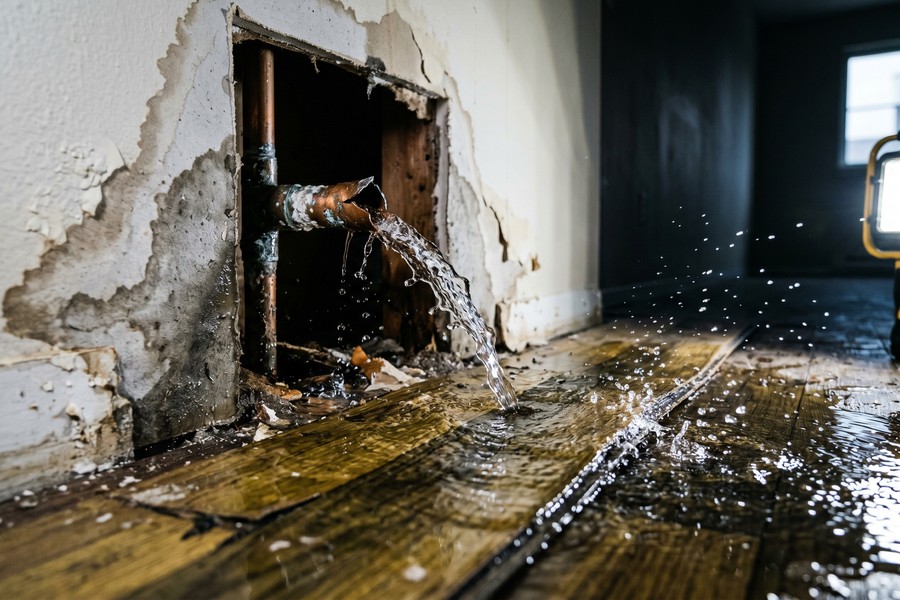
Do not let the relatively low cost of HO-6 insurance tempt you into buying bare minimum coverage. The average claim payout for a condo owner with a burst pipe, including interior damage, personal property loss, and temporary housing, easily exceeds $20,000. Underinsurance is far more common than overinsurance among condo owners, and the difference only becomes apparent at the worst possible moment.
Short-term rental activity creates its own coverage gap. If you rent your condo on Airbnb or VRBO even occasionally, your standard HO-6 may exclude claims that arise during rental periods. Notify your insurer and ask about a home-sharing endorsement before the first guest checks in.
For tips on reducing your premium without cutting necessary coverage, see our guide on how to save money on your homeowners insurance, many of those strategies apply directly to HO-6 policies.
It is also worth understanding the broader trend driving premium increases. Our analysis of why insurance premiums are exploding covers the climate, litigation, and reinsurance factors pushing condo insurance costs higher in 2025 and beyond.
Bundle your HO-6 policy with your auto insurance from the same carrier. Most major insurers, including State Farm, Allstate, and USAA, offer multi-policy discounts of 10 to 20 percent that apply to both policies simultaneously.
Understanding the full range of coverage types before you buy protects you from making costly assumptions. Our overview of important homeowners insurance policies you should know provides additional context on how different policy types interact, especially relevant when you are coordinating an HOA master policy with your own HO-6.
Related reading: homeowners policy might not cover.
Frequently Asked Questions
Does my HOA insurance cover my personal belongings if there’s a fire?
No. HOA master policies never cover personal belongings, regardless of the cause of loss. The HOA policy covers the building structure and shared areas only. Your furniture, electronics, clothing, and appliances require a separate HO-6 policy with personal property coverage. According to the Insurance Information Institute, personal property coverage is exclusively the individual unit owner’s responsibility.
What happens if someone gets hurt in my condo and I only have HOA coverage?
You are personally liable for their medical bills and any resulting lawsuit. The HOA’s master policy covers liability in common areas, not inside individual units. Personal liability claims average more than $20,000, and a lawsuit with attorney fees can reach six figures. An HO-6 policy with $100,000 to $300,000 in liability coverage is the standard protection against this exposure.
Is condo insurance required by law or just by the HOA?
Condo insurance is typically required by the HOA’s governing documents (CC&Rs) rather than by state law, although a few states are beginning to mandate minimum coverage levels. Even if your HOA does not explicitly require it, your mortgage lender almost certainly will. Conventional and FHA loans for condos universally require borrowers to carry HO-6 coverage as a condition of the loan.
How much does condo HO-6 insurance typically cost per month?
The national average cost of an HO-6 condo insurance policy is approximately $60 to $100 per month, or $700 to $1,200 per year, according to NerdWallet’s 2025 condo insurance data. Your actual premium depends on your location, coverage limits, deductible level, and the age of the building. High-risk coastal states like Florida and California can see premiums two to three times the national average.
What is loss assessment coverage and do I really need it for my condo?
This endorsement pays your share of an HOA-billed special assessment when a covered loss exceeds the building’s master policy limit. The cost is as low as $25 to $50 per year, but it can protect you from assessments of $10,000 or more after events like fires, storms, or HOA liability lawsuits. It is one of the highest-value endorsements available to condo owners at any price point, and skipping it is hard to justify given the cost.
What’s the difference between condo insurance and renters insurance, aren’t they the same thing?
Condo insurance (HO-6) and renters insurance (HO-4) both cover personal property and personal liability, but HO-6 also includes dwelling coverage for your unit’s interior structure. Renters insurance does not, because renters have no ownership stake in the walls, floors, or fixtures. As a condo owner, you own your unit’s interior, making dwelling coverage a requirement rather than an option.
Does condo insurance cover water damage from a burst pipe upstairs?
It depends on where the pipe originates. Damage from a pipe in a common area is typically covered under the HOA master policy. Damage originating from your neighbor’s unit plumbing is generally your HO-6 policy’s responsibility, and your neighbor’s liability coverage should also contribute. Water backup and sewer coverage is a separate endorsement worth adding, as standard HO-6 policies often exclude sewer and drain backup as a named peril.
Will my condo insurance go up if I make renovations?
Yes. Any improvement that increases the rebuild cost of your interior should trigger a coverage limit review and likely a premium adjustment. If you renovate your kitchen or bathrooms and do not update your HO-6 dwelling coverage limit, you may be significantly underinsured after the renovation. Notify your insurer before or immediately after any major renovation project to ensure your coverage limit reflects the true replacement cost.
How do condo homeowners insurance gaps affect my ability to sell my condo?
Significant insurance gaps do not directly block a sale, but they can create problems during the buyer’s due diligence process. Buyers and their lenders will request proof of HOA master coverage and may ask whether the building’s policy meets lender requirements. If the HOA’s master policy is inadequate, particularly in states with updated condo safety laws post-Surfside, buyers may face difficulty securing financing, which can delay or kill the sale.
Can I be denied an HO-6 policy based on my building’s condition or HOA finances?
Yes, and this is a risk that has grown since 2022. Some insurers now review the building’s structural inspection records, reserve fund adequacy, and prior claims history before issuing or renewing an HO-6 policy. Buildings with deferred maintenance, underfunded reserves, or recent large losses can be difficult to insure individually, even if you personally are a low-risk applicant. If you are buying into a condo building, check whether the building itself is insurable before closing.