
Fact-checked by the Smart Insurance 101 editorial team
Quick Answer
A car insurance total loss payout is calculated by determining your vehicle’s actual cash value (ACV), then subtracting your deductible., insurers typically declare a total loss when repair costs exceed 70–80% of the car’s ACV. The process involves filing a claim, receiving an adjuster’s valuation, negotiating if needed, and accepting a settlement, most claims settle within 7–14 days.
Understanding how a car insurance total loss payout works can mean the difference between a fair settlement and leaving thousands of dollars on the table., the average new vehicle transaction price has exceeded $48,000 according to Kelley Blue Book’s latest market data, making it more critical than ever to know exactly how insurers calculate what they owe you after a crash, flood, or theft.
Vehicle total loss claims are rising. Repair costs have surged alongside parts shortages and labor inflation, pushing more vehicles into total loss territory. If you want a broader picture of why your premiums and claims environment have shifted, our article on why insurance premiums are exploding provides important context. The rules around total loss thresholds vary by state, insurer, and coverage type, and most policyholders don’t know them until it’s too late.
This guide is for anyone who has just been told their car is a total loss, suspects it might be declared one, or simply wants to understand the process before it happens. By the end, you will know how payouts are calculated, how to dispute a low offer, and how to protect yourself financially at every step.
Key Takeaways
- Insurers declare a total loss when repair costs reach 70–80% of the vehicle’s actual cash value (ACV), though this threshold varies by state, according to the Insurance Information Institute.
- Your payout equals the vehicle’s ACV minus your deductible, not the replacement cost or what you originally paid for the car.
- Gap insurance covers the difference when you owe more on your loan than the ACV; without it, you could still owe thousands of dollars to your lender after a total loss settlement.
- Policyholders who negotiate their ACV valuation recover an average of $1,000–$3,000 more than those who accept the first offer, based on industry claims data reviewed by consumer advocacy groups.
- Most total loss settlements are paid within 7–30 days of claim filing, depending on documentation speed and whether the valuation is disputed.
- Every U.S. state has a total loss threshold law or formula, and your insurer must follow state regulations, a fact many policyholders never use to their advantage.
In This Guide
- What does it mean when an insurance company declares your car a total loss?
- How does an insurance company calculate a total loss payout?
- What happens after you file a total loss claim, step by step?
- How do you negotiate a higher car insurance total loss payout?
- What happens to your car loan or lease after a total loss?
- Can you keep your car after it’s declared a total loss, and should you?
- Frequently Asked Questions
Step 1: What Does It Mean When an Insurance Company Declares Your Car a Total Loss?
Your car is declared a total loss when the cost to repair it, or the combination of repair cost and salvage value, meets or exceeds a state-mandated percentage of the vehicle’s actual cash value. This is not a subjective judgment; it follows a defined legal and actuarial framework.
How Insurers Define “Total Loss”
Most states use a total loss threshold (TLT), which sets the percentage of ACV at which a car must be totaled. According to the Insurance Information Institute, common thresholds range from 70% to 80% of ACV, though some states go as low as 60% or use a total loss formula instead.
Florida uses a total loss threshold of 80%, meaning if repairs cost $8,000 and the car is worth $10,000, the insurer must declare it a total loss. Texas and California use a similar percentage-based rule. A handful of states use a Total Loss Formula (TLF), where cost of repair plus salvage value must exceed ACV before a total loss is declared.
What to Watch Out For
Insurers sometimes underestimate ACV to keep a car below the total loss threshold, meaning they’d rather pay repair costs than issue a larger cash settlement. If your vehicle has significant damage and you suspect it should be totaled, ask the adjuster to show you the ACV calculation and the state’s threshold in writing. You have the legal right to this information.
One limitation worth knowing: the total loss declaration process can work against you if your car is older but well-maintained. A high-mileage vehicle with a low ACV can cross the 70–80% threshold from even modest damage, leaving you with a payout that doesn’t come close to replacing what you had. In those situations, agreed-value endorsements or stated-value coverage, available through some specialty insurers, offer a more predictable outcome, though they cost more and require prior appraisal.
Some states, including Texas and North Carolina, require insurers to use a Total Loss Formula rather than a fixed percentage. Under TLF, a car may not be totaled even if repairs cost more than its ACV, as long as the salvage value is low enough. Check your state’s Department of Insurance website for the exact rule that applies to your claim.
Step 2: How Does an Insurance Company Calculate a Total Loss Payout?
Your car insurance total loss payout equals your vehicle’s actual cash value (ACV) minus your deductible. ACV is not what you paid for the car, not the sticker price, and not what you still owe on it. It is the fair market value of the vehicle at the moment of the loss, accounting for depreciation, mileage, and condition.
How ACV Is Determined
Insurance adjusters use one or more of the following methods to establish ACV:
- Third-party valuation tools, platforms like Kelley Blue Book, NADA Guides, and CCC ONE Market Valuation are the most commonly used industry tools.
- Comparable vehicle sales, the adjuster pulls recent sale prices of similar vehicles (same make, model, year, trim, mileage, and condition) in your local market.
- Condition adjustments, pre-existing damage, high mileage, or aftermarket modifications can lower ACV; recent service records, new tires, or low mileage can increase it.
Once ACV is established, the formula is straightforward: ACV – Deductible = Your Payout. If your car is worth $15,000 and your comprehensive deductible is $1,000, your maximum check is $14,000.
What to Watch Out For
Adjusters sometimes use “comparable” vehicles from different geographic markets where prices are lower. Always request the specific comparable listings used in your valuation report, you can challenge any that don’t accurately reflect your local market. Understanding the full cost of your coverage upfront is easier when you’ve already used a tool like our step-by-step car insurance quote comparison guide.
CCC ONE, the valuation platform used by many major carriers including State Farm and Allstate, pulls local comparable sales automatically. The problem is that in thin markets, rural areas, or vehicles with unusual trim levels, the algorithm sometimes imports comparables from distant ZIP codes where prices run lower. Asking for the raw comparable report by name is the single most effective step you can take before responding to any offer.
According to Consumer Reports, insurers’ initial ACV offers are challenged successfully in roughly one in three total loss claims when the policyholder submits documented evidence, proving that the first number is rarely the final number.
| Valuation Method | How It Works | Typical Accuracy for Policyholders | Best Used When |
|---|---|---|---|
| Kelley Blue Book (KBB) | Online market-based pricing tool using recent sales data | Good, reflects private party and dealer values | Cross-checking insurer’s offer on common vehicles |
| NADA Guides | Dealer-focused valuation widely used by lenders | Good, often slightly higher than KBB | Lease payoff comparisons and loan balance situations |
| CCC ONE | Insurer-side platform using local comparable sales | Variable, can undervalue in thin markets | Understanding what your adjuster used; request the report |
| Independent Appraiser | Licensed appraiser hired by policyholder | High, independent, no insurer bias | Disputes over $2,000+ or rare/modified vehicles |
| Local Dealer Quotes | Actual replacement cost from local inventory | High, real-world market evidence | Proving your car costs more to replace than offered |
Step 3: What Happens After You File a Total Loss Claim, Step by Step?
After you report the accident or loss to your insurer, a defined sequence of events unfolds that typically takes 7 to 30 days from claim filing to payment. Knowing each stage helps you move things along faster and avoid costly missteps.
How to Do This
Here is the standard total loss claim process in order:
- File the claim immediately. Contact your insurer or use their app within 24–48 hours of the loss. Delays can complicate liability timelines.
- Get your vehicle inspected. An adjuster, either in person or via a virtual photo inspection, evaluates the damage and determines whether repair costs exceed the total loss threshold.
- Receive the ACV offer. The insurer sends a written valuation report and a settlement offer. Review every line item carefully.
- Review the title and lien situation. If you have a loan, the insurer will pay the lender first and send you any remaining balance. If you lease, the insurer pays the leasing company directly.
- Sign over the title. Once you accept the settlement, you sign your vehicle’s title over to the insurer. The car becomes their property (salvage).
- Receive payment. Payment is issued by check or electronic transfer. Most insurers pay within 3–5 business days of title transfer and signed settlement agreement.
What to Watch Out For
Do not sign the settlement agreement or title transfer until you are satisfied with the payout amount. Once signed, your right to negotiate is largely gone. Keep paying attention to storage fees as well, if the vehicle is at a tow yard, those charges accumulate and some insurers will deduct them from your payout if they exceed what the policy covers.
Per guidance published by the Consumer Financial Protection Bureau (CFPB), policyholders have the right to request a written explanation of any settlement calculation. If your insurer refuses to provide the underlying valuation report, that refusal itself may be worth documenting when filing a complaint with your state’s Department of Insurance.
“Policyholders often feel pressure to accept the first total loss offer quickly, especially when they’re without a vehicle. But taking even two or three days to gather comparable listings and review the valuation report can easily recover $1,000 to $2,500 on a modest claim.”
Request your insurer’s complete CCC ONE or AudaExplore valuation report in writing before responding to any settlement offer. This report lists every comparable vehicle used and every adjustment made to your car’s value, it is the foundation of their number and the most powerful document for negotiating a higher payout.
Step 4: How Do You Negotiate a Higher Car Insurance Total Loss Payout?
You can negotiate your car insurance total loss payout, and in most cases you should. The insurer’s first offer is a starting point, not a final number. Policyholders who provide documented evidence of higher comparable values routinely receive larger settlements.
How to Do This
Follow these steps to build a strong counteroffer:
- Pull your own comparable listings. Search Autotrader, Cars.com, and CarGurus for vehicles matching your car’s year, make, model, trim level, mileage (within 10%), and condition within a 50-mile radius. Print or screenshot at least five listings.
- Document your car’s condition advantages. Gather service records, recent receipts for new tires, battery replacement, or major repairs. These reduce the adjuster’s justification for condition deductions.
- Hire an independent appraiser. A licensed auto appraiser typically charges $150–$350 and can produce a formal valuation that carries significant weight in a dispute.
- Submit a formal counteroffer in writing. Email your adjuster with your evidence attached. Ask them to respond in writing with their justification for rejecting or adjusting your counter.
- Invoke appraisal clause if needed. Most auto policies include an appraisal clause that allows both sides to hire appraisers and split the cost of an umpire. This is a formal, binding process, use it if negotiations stall.
What to Watch Out For
Avoid accepting a rental car extension as a substitute for a fair cash settlement. Some adjusters will offer to extend your rental coverage as goodwill, but rental coverage is separate from your payout and should not influence how you value your vehicle. Filing a complaint with your state’s Department of Insurance is a legitimate and effective tool if your insurer acts in bad faith. The National Association of Insurance Commissioners (NAIC) maintains a state-by-state regulator directory for exactly this purpose.
One honest caveat: the appraisal clause process works well for disputes involving $2,000 or more in disagreement. For smaller gaps, say, $400 or $500, the cost of hiring an independent appraiser may exceed what you’d recover. Know what the math looks like before committing to a formal dispute.

Never accept a verbal settlement offer. Require all terms in writing before you agree to anything. Verbal agreements are difficult to enforce, and some policyholders have reported adjusters changing numbers between a phone conversation and the written agreement.
Step 5: What Happens to Your Car Loan or Lease After a Total Loss?
If you owe more on your loan or lease than your car’s ACV, your car insurance total loss payout goes directly to the lender first, and you are still responsible for any remaining balance. This gap between what you owe and what the insurance pays is one of the most financially damaging surprises policyholders face.
How to Do This
Here is how the money flows depending on your situation:
- If you own the car outright: The full payout (ACV minus deductible) comes directly to you by check or bank transfer.
- If you have a loan and owe less than ACV: The insurer pays the lender the loan balance and sends you the remainder.
- If you have a loan and owe more than ACV (underwater): The insurer pays the lender up to ACV. You owe the remaining balance out of pocket, unless you have GAP insurance.
- If you lease: The insurer pays the leasing company directly. You may still owe early termination fees not covered by insurance.
GAP insurance (Guaranteed Asset Protection) covers the difference between your loan balance and the ACV payout. According to the Consumer Financial Protection Bureau (CFPB), GAP insurance typically costs $200–$300 as a one-time add-on through an insurer, compared to $400–$900 if purchased through a dealership, making it far cheaper to add at the time of policy purchase. For more on how different types of auto coverage interact with your financial obligations, see our full guide on everything you need to know about car insurance.
GAP coverage sold by dealerships is regulated differently than insurer-provided GAP, and the CFPB has flagged some dealer-sold products for including fees that inflate the total cost well above the coverage’s actual value. If you financed through a bank like Chase or a lender like SoFi, ask whether GAP coverage is available directly through them before accepting whatever the finance manager offers at the dealership.
What to Watch Out For
Dealership-sold GAP products often include fees and markups that make them far more expensive than insurer-provided coverage. If you are financing a new or lightly used vehicle and your down payment was less than 20%, GAP insurance is almost always worth carrying for at least the first two to three years of the loan.
“Consumers are often shocked to learn their insurance payout goes to the lender first. If they’re $4,000 or $5,000 underwater on an auto loan — which is common in today’s high-rate environment — they walk away from a total loss with nothing and still owe money. GAP coverage is one of the most underused and undervalued protections available.”
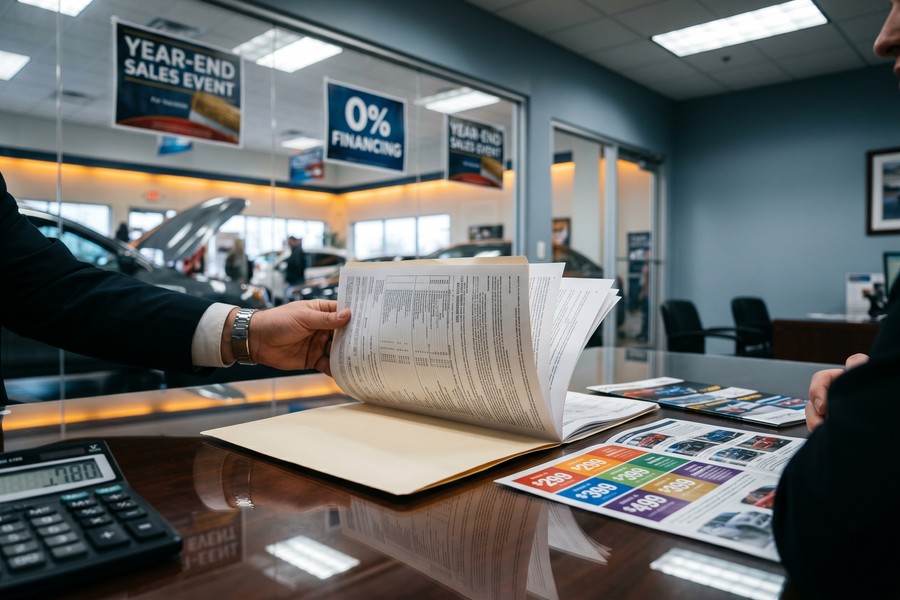
Before your total loss claim closes, call your lender and ask for a 10-day payoff quote, not just your current balance. The 10-day figure accounts for accruing interest and gives you and the insurer an accurate number to work from. A current balance quote can leave you underpaid by $50–$200 in interest charges.
Step 6: Can You Keep Your Car After It’s Declared a Total Loss, and Should You?
Yes, in most states you can elect to keep your totaled vehicle, but doing so significantly reduces your payout and creates legal complications around registration and driving. This option, called a salvage retention, is worth considering only in specific circumstances.
How to Do This
If you want to retain the vehicle after a total loss declaration, here is the process:
- Notify your insurer immediately. You must elect salvage retention before the settlement is finalized. Most insurers require written notice.
- Accept a reduced payout. The insurer deducts the salvage value of the vehicle from your ACV settlement. If your car has a salvage value of $3,000 and ACV is $12,000, your payout drops to $9,000 minus your deductible.
- Receive a salvage title. The vehicle is re-titled with a salvage brand, which permanently marks it as a declared total loss. This affects resale value and insurability.
- Get a rebuilt title inspection. If you repair the vehicle and want to drive it, most states require a safety inspection and a rebuilt title before it can be legally registered again.
What to Watch Out For
A vehicle with a salvage or rebuilt title is difficult to insure at full ACV, most insurers will only offer liability coverage or will cap future payouts at a steep discount. It is also harder to sell, often fetching 20–40% less than a clean-title equivalent. Keeping a totaled car makes sense mainly if the vehicle has sentimental value, significant aftermarket investment, or if you have the mechanical expertise to restore it cheaply. For a broader look at how coverage types affect your financial exposure, our overview of insurance types and their benefits is a useful reference. Also, if you’re in the market to replace your totaled vehicle and start fresh with new coverage, our guide to car insurance quotes, factors, and costs walks you through what to expect.
Salvage retention is also a poor fit for anyone who still has an outstanding loan. Most lenders, including major banks like Chase and credit unions, will not accept a salvage-titled vehicle as collateral. That means you’d need to pay off the loan before retaining the car, a barrier that rules out salvage retention for most financed vehicles entirely.
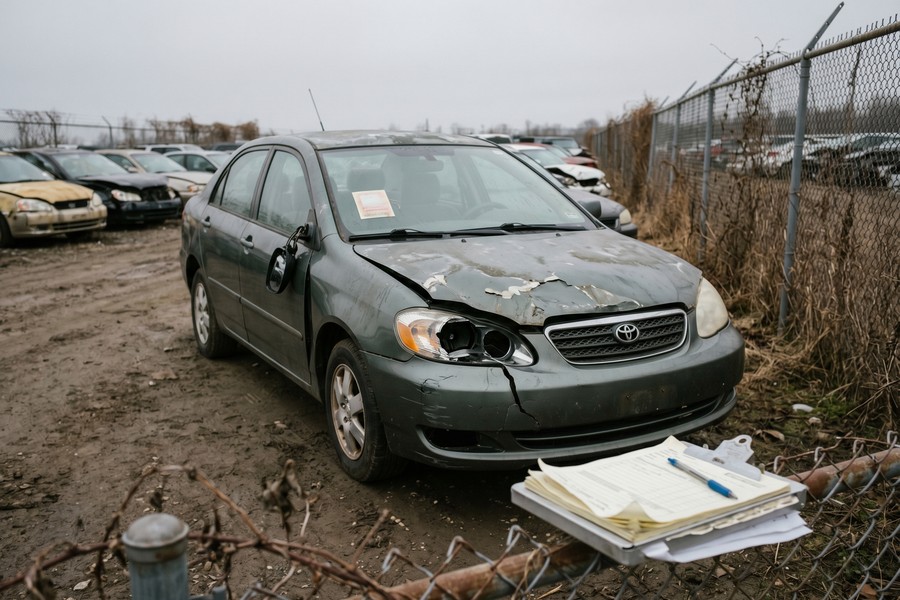
Some lenders will not finance a vehicle with a salvage title, and many insurers will not write a comprehensive policy on one. If you retain a salvage vehicle and later need financing or want to sell it, your options will be significantly limited. Know these consequences before electing salvage retention.
Related reading: Auto Insurance Alternatives That Actually Work for High.
Frequently Asked Questions
How long does it take to get a total loss payout from my insurance company?
Most total loss payouts are issued within 7 to 30 days of filing your claim, assuming you respond promptly to adjuster requests. The timeline depends on how quickly the vehicle is inspected, how soon you accept the settlement offer, and how fast the title transfer is completed. Disputes over ACV can extend the process by several weeks.
What if my insurance company’s total loss offer is too low?
Reject the initial offer in writing and submit a counteroffer with supporting evidence, comparable vehicle listings, service records, and if needed, an independent appraisal. Most policies also include an appraisal clause that gives you the right to hire your own appraiser. If your insurer still refuses a fair settlement, file a complaint with your state Department of Insurance, which regulates insurer conduct. You can find your state regulator through the National Association of Insurance Commissioners (NAIC) state directory.
Does my deductible apply to a total loss claim?
Yes, your deductible applies to a total loss claim in the same way it applies to any collision or comprehensive claim. If your ACV is $14,000 and your deductible is $1,000, your payout is $13,000. The deductible does not apply if the other driver is at fault and their liability insurance is paying the claim.
Can I get a rental car while my total loss claim is being processed?
Yes, if you have rental reimbursement coverage on your policy, you are entitled to a rental car during the claims process. Coverage typically runs until your settlement is paid or a set number of days (commonly 30), whichever comes first. Check your declarations page for the daily and total rental limits, common limits are $30–$50 per day up to a $900–$1,500 total.
How do I find out what my car is worth before the insurance company gives me an offer?
Use multiple valuation tools before your adjuster contacts you: Kelley Blue Book’s private party value, NADA Guides, and active local listings on Autotrader or CarGurus. Document your car’s condition accurately, mileage, recent repairs, options, and pull at least five comparable listings in your ZIP code. Having this research ready before the insurer’s offer gives you an immediate negotiating baseline.
What happens to my car insurance policy after a total loss?
Your policy does not automatically cancel after a total loss. You continue paying premiums until you formally cancel or replace the policy. Once you receive your settlement and surrender the title, notify your insurer to cancel coverage on that vehicle or transfer the policy to your replacement car. Keeping a policy active on a vehicle you no longer own is a waste of money.
Does a total loss affect my insurance rates?
A total loss resulting from a collision you caused will likely increase your premiums at renewal, similar to any at-fault accident. A total loss caused by theft, flood, hail, or another comprehensive event may have a smaller impact, since these are typically not considered negligence. The rate effect depends on your insurer, your history, and your state’s regulations, most rate increases after an at-fault total loss range from 20% to 40% for three to five years.
Should I get gap insurance if I’m financing a new car?
Gap insurance is strongly recommended if you financed more than 80% of a new vehicle’s purchase price, put less than 20% down, or are financing for more than 60 months. New cars depreciate roughly 15–25% in their first year alone, meaning you can be underwater on your loan almost immediately. Gap coverage costs as little as $20–$40 per year added to your auto policy through most insurers. For anyone working on the cost side of auto coverage, our article on 9 ways to reduce your auto insurance covers practical strategies for keeping premiums affordable.
Can I dispute a total loss declaration if I think the car can be repaired?
Yes. You can challenge a total loss declaration by obtaining an independent repair estimate from a licensed body shop and submitting it to your insurer. If the independent estimate shows repair costs fall below the total loss threshold, you can request that the insurer reconsider. The insurer is not legally required to agree, however, in that case, you may need to invoke your policy’s appraisal clause or consult a public adjuster.
What documents do I need to complete a total loss claim?
To complete a total loss claim efficiently, gather your vehicle title (or lien information if financed), your current loan or lease account number and payoff amount, your driver’s license, the police or accident report, any service records showing recent repairs, and your insurance policy declarations page. Having these ready before your first adjuster call can reduce the total claims timeline by three to five days.
How does a total loss claim affect my credit score?
The insurance claim itself does not appear on your credit report and has no direct effect on your FICO Score. The risk comes indirectly: if a GAP shortfall or remaining loan balance goes unpaid, the lender can report that delinquency to Experian, Equifax, or TransUnion, which would damage your credit. Settling any loan deficiency promptly, or having GAP coverage in place before a loss, avoids that outcome entirely.
What if I still owe money on a lease when my car is totaled?
Your insurer pays the leasing company directly up to your car’s ACV. The leasing company will apply that payment against the remaining lease obligation. If the ACV payout falls short of what you owe, including any residual value written into the lease contract, you are responsible for the difference. Many lease agreements include or offer GAP-equivalent protection; check your lease documents to confirm whether it was included at signing, since not all dealers disclose this automatically.


