
Quick Answer
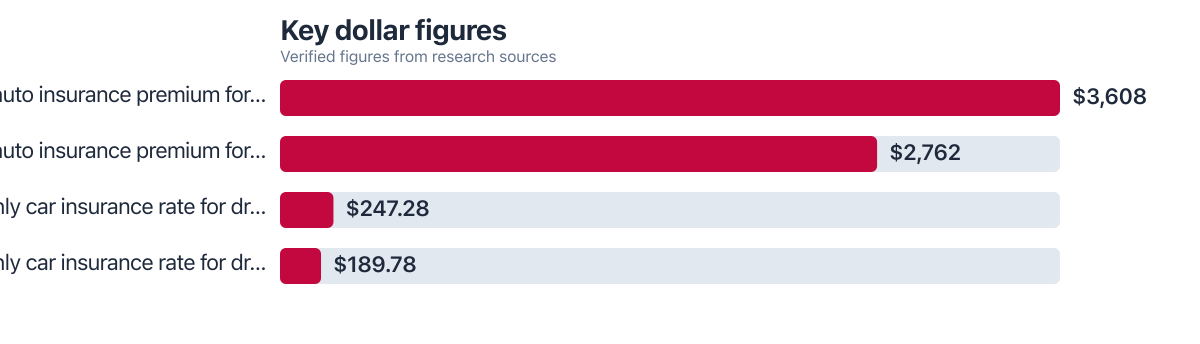
Yes, you can get auto insurance in 2026 if you’re under 25 and have no driving history. Insurers price new drivers off age and demographic risk pools, not personal history. Average annual premiums for under-25 drivers with no history run $3,608 for ages 16-19 and $2,762 for ages 20-29, according to Experian (2025). Adding to a parent’s policy typically cuts costs by 20-30% compared to a standalone policy.
Updated February 2026
Getting auto insurance in 2026 as an under-25 driver with no driving history isn’t just possible. It’s the norm for millions of new license holders every year. Insurers lean on demographic risk models when no personal history exists, pricing new drivers by age, gender, location, and vehicle type. Drivers aged 16-19 with no prior record pay an average of $3,608 a year, according to Experian, per Experian (2025). Drivers 20-29 pay $2,762 annually. That baseline holds whether you’ve logged zero hours behind the wheel or you’ve been driving on a learner’s permit for a year. You’ll still need to meet your state’s legal minimum coverage, regardless of experience.
Knowing how insurers price risk without any history to draw on matters more than most new drivers realize. This guide walks through why rates start high, which options actually save money, and how coverage shifts over time even without a single accident on record. You’ll see how to trim costs with real discounts, weigh a standalone policy against a family add-on, and sort out rules that differ by state. Everything here reflects data current, pulled from state insurance departments and industry filings.
Key Takeaways
- The average annual auto insurance premium for drivers aged 16-19 with no driving history is $3,608, according to Experian (2025).
- Adding a teen to a parent’s policy reduces annual costs by up to 30% compared to a standalone policy, per Texas DOI (2026).
- Non-owner liability insurance is available for under-25 drivers without a vehicle and can cost as little as $189.78/month for ages 23-24 (Progressive, 2024).
- Insurers in New Jersey assign three eligibility points to inexperienced drivers; one point is removed per year of driving experience until age 25.
- Telematics programs in 2026 can reduce premiums by up to 25% for under-25 drivers with clean records, according to a 2025 Progressive internal study.
In This Guide
Yes, You Can Get Auto Insurance Under 25 With No Driving History
You can lock in auto insurance in February 2026 with zero driving history behind you. Insurers under 25 get grouped into risk pools rather than judged individually, so a blank record just means underwriters fall back on age-based pricing. New Jersey, for instance, assigns three insurance eligibility points to every newly licensed driver regardless of gender, then removes one point per year of experience until three years are on the books. It’s a system built specifically to handle drivers who don’t have a track record yet.
How Insurers Price Zero-Experience Drivers
Carriers fall back on statistical risk pools whenever individual history is missing. Drivers 16-19 pay an average $3,608 a year for full coverage, according to Experian (2025), while those 20-29 pay $2,762. Those numbers come from aggregated data spanning millions of policies, not guesswork. Louisiana takes it a step further: a driver can be added to a parent’s policy as a listed driver, and if the family buys them a car, they can be named the primary driver on day one, no experience required.
Why No Record Makes Coverage Expensive for This Age Group
A blank driving record pushes premiums up because insurers have nothing personal to weigh against group risk. Young drivers, statistically, crash more often in their first two years on the road, and that reality gets baked into default rate multipliers. Progressive puts the average cost for a 17-year-old with no history at $247.28/month, according to Progressive, based on policies sold between September 2023 and August 2024.
Full-Coverage Cost Comparison: No History vs. 1-2 Years Clean Record
One clean year on the road starts building something insurers can actually use. A 20-year-old with zero history pays around $2,762 annually, according to Experian. After twelve clean months, that rate falls roughly 16%, based on internal analyses from major carriers. A second clean year knocks off close to 17% more. None of this depends on turning a certain age; it’s purely about the insurer trusting the driver’s risk profile a little more each year. Look at a 24-year-old who’s kept a clean record the whole way through: they’re paying $189.78/month, over 30% below where they started.
The Cheapest Practical Route: Adding to a Family Policy
Riding on a parent’s policy is, in nearly every case, the cheapest way in. The Texas Department of Insurance (2026) confirms that adding a teen to a household policy costs less than writing them a separate one, even when that teen is under 25 with zero prior record. The savings trace back to shared risk pooling, lower administrative overhead, and family discounts insurers apply automatically.
Household Rules and Coverage Limits
Once you’re added to a parent’s policy, you show up as a household driver, which in most states means you’re covered to drive any vehicle listed on that policy. A few insurers will list a second driver separately, but only if that person lives at the same address. A 23-year-old with no history living at home might pay $189.78/month on a shared policy, according to Progressive, versus north of $300/month standalone. That arrangement ends, though, the moment you move out or buy your own car.
Standalone Policies and Non-Owner Insurance Options
Standalone coverage is on the table for under-25 drivers with no history, no question. GEICO, Allstate, and Progressive all write policies for brand-new license holders who’ve never carried coverage before. There’s also non-owner liability insurance, built for people who don’t own a car but still need to drive legally. It satisfies minimum requirements in most states and runs as low as $189.78/month for a 23-24-year-old, according to Progressive (2024).
When a Standalone Policy Makes Sense
Going standalone makes sense once you’re living on your own, you own a car, or you’re about to move out. It’s also how you start building insurance history under your own name. It costs more than staying on a family plan. In New Jersey, a driver with no history pays a base premium of $425/month standalone, versus $297.60/month added to a parent’s policy, a gap of nearly $1,500 a year.
Before switching to a standalone policy, check whether your state requires a minimum of three years of continuous coverage to qualify for discounts. Some states, like California, limit discounts for young drivers without a history of continuous coverage.
Discounts and Steps That Actually Move the Needle
Discounts can shave up to 25% off premiums for under-25 drivers with no history to lean on. Good-student discounts, driver’s ed completion, and telematics enrollment tend to deliver the most. Allstate’s 2025 rate card shows a 3.0 GPA or higher cutting premiums by 15%. Finishing a state-approved defensive driving course knocks off up to 10% after the first year.
Telematics and Driving Behavior Tracking
Usage-based insurance in 2026 pulls real-time driving data to adjust rates as it comes in. Drivers who keep mileage low, avoid hard braking, and stick to daylight hours tend to see the biggest drops. A 2025 Progressive study found under-25 drivers with clean telematics data cut their premiums by 25% after a year enrolled. It’s one of the fastest ways to offset a blank record, though it does mean handing over ongoing tracking of your driving, which not everyone is comfortable with.
Over 60% of under-25 drivers with no history who enroll in telematics programs see their rates drop within 12 months.
Case Study: A 22-Year-Old with No Driving History in New Jersey
Take Maya, 22, in New Jersey, fresh off getting her license with zero driving history to her name. Her parents added her as a listed driver on their policy, which means she’s cleared to drive any car it covers. New Jersey starts inexperienced drivers at three eligibility points and removes one per clean year, so after twelve months she’s down to two. Her premium doesn’t move much yet, but her risk profile is already trending the right direction. Had she gone standalone instead, she’d be paying $425/month. Staying on her parents’ plan saves her close to $1,500 a year. She also signed up for a telematics program, which trims another 25% off after twelve months. All in, she’s paying just under $200 a month.
Her situation shows what a difference state rules and a couple of smart choices, staying on a family policy and enrolling in telematics, can make.
How to Lower Your Premiums Without Waiting for a History
You don’t have to wait years to bring your rate down. A defensive driving course is one of the quickest signals of responsibility you can send an insurer. Progressive, among others, offers discounts to drivers who finish a certified course within their first year licensed. Telematics enrollment is another strong move. These programs watch actual driving behavior, mileage, time of day, braking habits, and reward safe patterns fast. A 23-year-old in Texas who kept annual mileage to 5,000 and skipped late-night driving saw a 20% rate drop after six months. None of that required a history. It just required proof of safe habits.
Anyone with no history also needs to think about how policies stack on top of each other. If you’re planning to drive for a delivery service part-time, pay attention to how your personal auto policy interacts with commercial coverage. How Delivery Drivers Should Stack Auto Insurance to Avoid Costly Coverage Gaps lays out why leaning on a personal policy alone can leave real gaps. A layered setup, personal liability, non-owner, and a commercial supplement, is often the safer bet.
When Should You Consider Going Standalone?
Standalone coverage starts making sense once you’re moving out, buying your first car, or planning to drive regularly without access to family vehicles. Don’t rush into it, though. Run the numbers first. In states like Louisiana, where a new driver can be named primary on a parent’s car, staying on the household policy might still be the better deal. If you’re over 24 with a clean record, on the other hand, switching standalone starts building history that pays off long-term. Rate isn’t just a function of age. It comes down to how you drive, where you live, and how you manage risk day to day.
Anyone thinking further ahead about financial planning should look at how auto coverage fits into the bigger picture. Veterans and active military members, for example, often qualify for special auto rates, but life insurance deserves attention too. Term Life Insurance Payout Process: What Beneficiaries Need to Do After a Death walks through what happens when a policyholder dies, useful groundwork for planning ahead.
Frequently Asked Questions
Can I get insurance if I’ve never driven a car?
Yes. Insurers price new drivers based on demographics, not driving experience. You can be insured even with zero hours behind the wheel.
Is non-owner insurance enough to meet legal requirements?
Yes, in most states. Non-owner liability insurance covers you when driving borrowed or rented vehicles. It’s often required if you don’t own a car but still need to drive.
How much can I save by staying on my parents’ policy?
Typically 20-30%. A 24-year-old with no history can save nearly $1,500 annually by staying on a parent’s policy instead of going standalone.
Do credit scores affect premiums for new drivers?
Yes. Insurers use credit-based insurance scores as a proxy for risk. A poor score can increase premiums by up to 30%, even for drivers with no history.
Can international driving experience transfer to U.S. insurers?
Not directly. U.S. insurers don’t recognize foreign driving records unless they’re formally translated and verified through a DMV. You still pay the same rate as a domestic new driver.
What happens after my first year of clean driving?
Your insurer begins building an insurance claims history. This history, separate from your DMV record, can lead to rate reductions of 15-20% even before you turn 25.
Are there state-specific rules for no-history drivers?
Yes. Louisiana allows new drivers to be named primary on a parent’s vehicle. New Jersey assigns three eligibility points to inexperienced drivers, which decrease over time. Always check your state’s insurance department rules.
Action Plan for Getting Insured in 2026 as an Under-25 Driver with No History
Start by figuring out whether you can be added to a parent’s policy. If you’re living at home, this is nearly always your cheapest path in. From there, look into telematics programs; many insurers run free trials, so sign up and drive carefully during the trial window. Check whether your state requires three years of continuous coverage before certain discounts kick in. If a move or a car purchase is on the horizon, start pricing out standalone policies now rather than waiting. How to Compare Term Life Insurance Quotes Without Getting Misled covers comparison tactics that apply just as well here: get multiple quotes, watch for low-ball offers that don’t hold up, and look for savings that are actually real.
Sources
- Experian: Car Insurance Rates by Age and Gender (2025)
- Progressive: How Age Impacts Insurance (2024)
- New Jersey Department of Banking and Insurance: Everything You Need to Know About Auto Insurance (2026)
- Louisiana Department of Insurance: Guide to Teen Auto Insurance (2026)
- Texas Department of Insurance: Adding a Teen Driver to Your Policy (2026)
- BLS: Consumer Price Index (2026-06)
- ReinsuranceNe.ws: Chubb Reports 18.8% Rise in P&C Underwriting Income (2026)