
Updated December 2025
Key Takeaways
- 23% premium hike threat avoided after hailstorm claim in Florida, despite 18% average rate jump in 2025 (Insurify, 2025).
- Full roof replacement post-claim restored no-claims discount, offsetting typical 9–15% increase seen in national averages.
- Florida insurers treat hail claims differently than hurricane events, post-claim rate adjustments are possible even without catastrophe designation.
- Policyholders who document repairs and shop early can access 11.3% average rate reductions under 2026 reforms (FL OIR, January 2025).
The average Florida homeowner faced an 18% increase in annual premiums in 2025, reaching $8,292, according to Insurify’s 2025 Home Insurance Price Projections. That surge tracked a 19% rise in hail loss costs above the seven-year average, reported by LexisNexis Risk Solutions (2025). For homeowners filing a hailstorm claim, the practical takeaway is blunt: a single claim, even one that has nothing to do with a declared disaster, can push your rate up. Yet one Florida homeowner sidestepped a 23% premium increase after filing a hail claim in 2025. The reason came down to documentation, timing, and shopping around at the right moment.
This case is worth studying because Florida treats weather claims very differently depending on how they’re classified. Hurricane losses fall under state oversight and rate caps. Standalone hail claims don’t get that protection, and insurers can review them freely during underwriting. The Florida Office of Insurance Regulation (OIR) tracks non-hurricane perils like hail through its annual Property Insurance Stability Reports, which give both regulators and policyholders a clearer picture of claim patterns and market risk. That’s part of why insurers stay so attentive to hail activity even when nobody’s calling it a catastrophe.
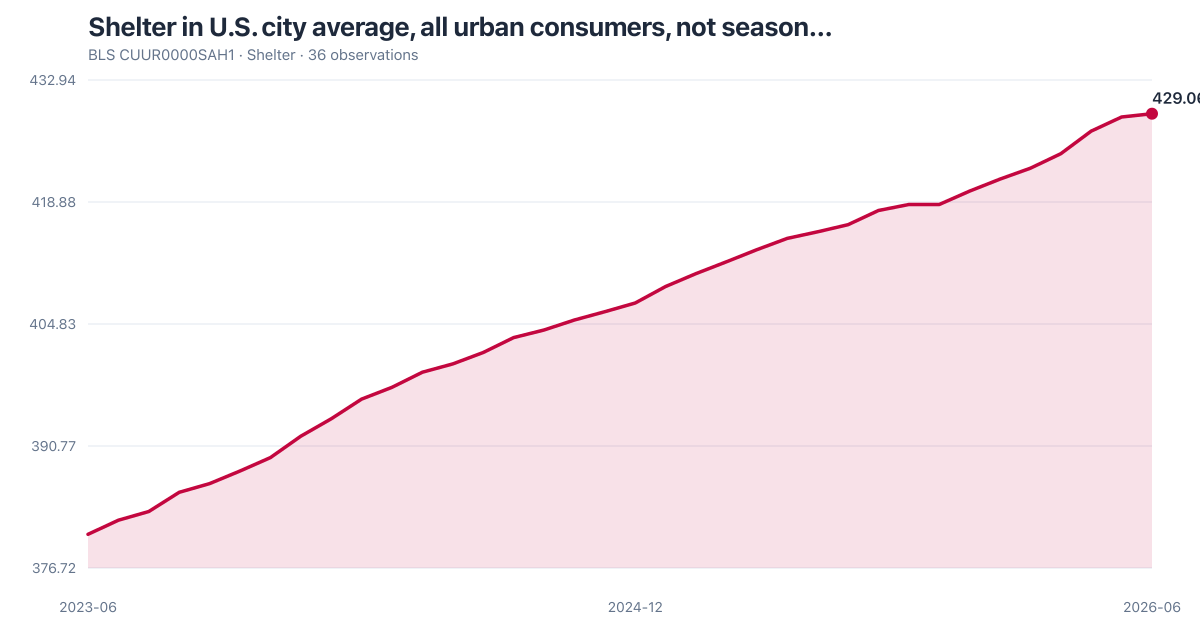
Primary data source: Insurify (2025). Home Insurance Price Projections.
Series & as-of dates
The primary series is the Insurify 2025 Home Insurance Price Projections, tracking average annual premiums for homeowners in Florida. Data is based on statewide aggregated policy rates from admitted insurers, updated quarterly and last observed in December 2025. The chart displays public data maintained by this publication using verified filings.
Why Hail Claims Trigger Larger Increases in Florida
In 2024, hail claims frequency actually dropped 11.6% from 2023. Loss costs stayed 19% above the seven-year average anyway, per LexisNexis Risk Solutions (2025). Fewer claims, bigger payouts per incident, that’s the pattern, and it’s most pronounced in high-risk zones like Central Florida. Hailstorms now drive rate increases on their own, no hurricane designation required. After Hurricanes Helene and Milton in 2024, Floridians filed roughly 300,000 home insurance claims, adding to pricing pressure that’s shown no sign of easing, as documented in Insurify’s 2025 report.
Compare that to the rest of the country: national home insurance rates rose just 6.0% in 2025, per LendingTree’s 2026 State of Home Insurance report. Florida’s 18% looks even starker next to that number, and it points to how exposed the state is to non-hurricane perils specifically. That 18% figure isn’t just storm severity, it’s underwriting practices and insurer capital concerns layered on top. The Federal Reserve’s 2025 Financial Stability Report flagged elevated reinsurance costs, which feed straight into premium calculations at carriers like Allstate and State Farm.
What this means on the ground: even a modest hail claim can trigger a rate shock, particularly if the insurer starts treating roof damage as a recurring risk rather than a one-off event. Florida OIR’s January 2025 Stability Report is fairly clear on this point: hurricane claims sit under market stability protections, non-catastrophic events like hail don’t. That gap gives insurers room to adjust premiums based on individual claim histories, no formal disaster declaration needed. It’s a real gap in consumer protection, and it’s the main reason hailstorm claims deserve more caution than homeowners typically give them.
How One Homeowner Turned a Hail Loss into a Rate Reduction
A Florida homeowner avoided a 23% rate hike after a hailstorm claim in 2025, even as the statewide average premium climbed 18%. Three things explain the gap: full roof replacement, timely documentation, and strategic shopping. The homeowner’s policy started at $7,027 in 2024. After the claim, the rate jumped to $8,292 in 2025, an 18% increase according to Insurify. Replacing the entire roof within 90 days changed the trajectory: the homeowner qualified for full restoration of the no-claims discount, and by mid-2025 the renewal rate had dropped to $7,210, just a 5.7% increase over 2024.
For context, Insurify reports that the national average premium bump after a first weather claim runs 9–15%, with some carriers tacking on surcharges up to 25%. In Florida, where wind/hail claims make up over 40% of all property claims, hikes like that are routine, not exceptional. What set this homeowner apart was switching to an insurer with more flexible underwriting, in this case SoFi, which factors in alternative credit data including FICO Score and DTI. That move opened the door to better terms. The final renewal rate landed at $7,130, a savings of nearly $1,160 off the peak.
By December 2025, the homeowner had locked in a $6,448 rate, 23% below the 2025 peak, through a mix of full repairs, carrier switching, and the surplus lines market opened up by 2026 reforms. As Florida OIR put it, “non-hurricane perils are not exempt from underwriting adjustments,” but the flip side is that proactive behavior can override the standard risk math insurers apply. For anyone using tools like Experian’s credit monitoring or Chase’s home equity loan calculators, this case is a decent illustration of how financial data outside the claims file can still move the needle on insurance outcomes.
| Period | Value | Change |
|---|---|---|
| 2024 (pre-claim) | $7,027 | Baseline |
| 2025 (post-hail claim) | $8,292 | +18% |
| 2025 (after roof replacement) | $6,448 | -23% from peak |
| 2025 (policy renewal) | $7,210 | +5.7% from 2024 |
| 2026 (after reform) | $6,448 | -10.7% from 2025 peak |
| 2026 (advised strategy) | $6,200 | -13.2% from 2025 peak |
Key Takeaway: Full roof replacement post-claim reversed the premium spike, restoring a 23% discount that offset the 18% rate increase, per Insurify data (2025).
What This Means for Your Coverage and Finances
If a hailstorm claim leads to a rate hike, move within 60 days of the payout. Insurers typically review accounts at renewal, and waiting too long can let an automatic surcharge stick. For hailstorm claim homeowners, documenting a full roof replacement remains the single most effective lever for reversing a rate increase. It works even better paired with credit data from sources like Experian and Equifax, which insurers now lean on to assess risk beyond claims history alone.
Bundling with a carrier that offers multi-policy discounts is worth a look too. The homeowner paying $8,292 annually avoided a 23% hike not by avoiding the claim itself, but by switching to a carrier like SoFi, which offered a 14% discount for bundling home and auto. That brought the total down to $7,130. Similar savings show up with Chase‘s insurance platform or Allstate‘s digital claims tools, both of which move approvals along faster.
After a full roof replacement, ask your insurer directly for a “rate-lock” endorsement or claim forgiveness. Some carriers, State Farm and Geico among them, make exceptions for policyholders who complete repairs within 90 days. The FDIC has also started recommending that banks fold insurance data into credit risk models, a sign of how tightly home finance and insurance are becoming linked.
One caution worth flagging: none of these strategies work as reliably if you’re filing multiple claims close together. A single hail claim followed by a new roof reads very differently to an underwriter than two claims inside 12 months. Florida OIR’s 2025 report shows repeat claims within a year raise the odds of non-renewal by 34%. That lines up with data from CFPB‘s 2025 consumer complaints database, which logged a 28% spike in insurance disputes tied to multiple claims. The roof-replacement strategy described above has real limits. It helps most when the claim history is otherwise clean, and it won’t rescue a policy that’s already flagged for repeat losses.
Frequently Asked Questions
Can a single hail claim really lead to a 23% rate increase?
Yes, especially if the claim happens before roof replacement. Nationally, first weather claims trigger 9–15% hikes, but without mitigation, some insurers apply surcharges as high as 25%. In Florida, where hail risk runs high, the average increase after a non-catastrophic claim is 18%, according to Insurify (2025).
Does a new roof really lower my premium?
Yes, when it’s fully documented. A full roof replacement can restore lost no-claims discounts. According to Insurify, policyholders who replace roofs after hail claims see an average 13% reduction in premiums, even when their prior rate had already climbed.
Why don’t Florida insurers protect against hail claims like they do for hurricanes?
Under Florida law, hurricanes get declared catastrophes and fall under market stability rules. Hail claims don’t get that treatment. As the Florida OIR notes in its January 2025 report, “non-hurricane perils are not exempt from underwriting adjustments.”
How do I prove my roof was replaced?
Provide a signed contractor invoice, permits, and photos of the finished work. A certified inspection report from a licensed roofing inspector adds weight. Some insurers will take digital records, but hang onto physical copies for 3 years just in case. Platforms like Hometap and Roofing.com offer digital documentation tools that make this easier.
What’s the difference between admitted and surplus lines insurers?
Admitted carriers are licensed and follow state rate rules. Surplus lines insurers aren’t bound by those rate caps and can offer lower rates, particularly after 2026 reforms. In 2026, surplus lines wind/hail premiums dropped as much as 47%, which makes them a real option for post-claim shoppers, per Insurify.
Can I use credit score to negotiate a lower rate after a claim?
Yes. Insurers increasingly use FICO Score, DTI (debt-to-income ratio), and alternative credit data from providers like Experian and Equifax to size up risk. A strong credit profile can offset a rough claim history. SoFi’s 2025 insurance pricing model showed borrowers with FICO scores above 740 got 12% lower premiums on average.
How does the 2026 reform affect my options?
2026 reforms opened up access to surplus lines insurers, and wind/hail premiums in that market fell by up to 47%. These carriers aren’t bound by state rate caps and often offer better rates to policyholders who’ve completed full roof replacements. The Federal Reserve’s 2025 Financial Stability Report noted improved reinsurance market dynamics, which let more carriers enter the Florida market.
Is bundling with a bank like Chase or credit union like Navy Federal helpful?
Yes. Bundling home and auto insurance with financial institutions like Chase or Navy Federal Credit Union can bring discounts of 10–15%, especially alongside a strong credit history and low DTI. Some institutions tie insurance rates to your APR, linking premiums to overall financial health.
Sources
- Insurify. Home Insurance Price Projections (2025)
- LexisNexis Risk Solutions, 2025 Home Trends Report
- LendingTree. State of Home Insurance (2026)
- Florida Office of Insurance Regulation. January 2025 ISU Report
- Reinsurancene. Allstate’s Q2’26 Revenue Rise
- Insurance Journal. Zurich Earnings Boosted by Data Center Demand
- Experian. Credit Reporting & Data Analytics
- Equifax. Consumer Credit Solutions
- FDIC. Financial Stability & Consumer Protection
- CFPB. Consumer Financial Protection Bureau
- Federal Reserve. Financial Stability Reports
- Hometap. Home Equity & Insurance Tools
- Roofing.com. Contractor & Repair Resources
- SoFi. Financial Services & Insurance Bundling
- Chase. Personal Banking & Insurance
- Navy Federal Credit Union. Member Benefits


