
Updated January 2026
Key Takeaways
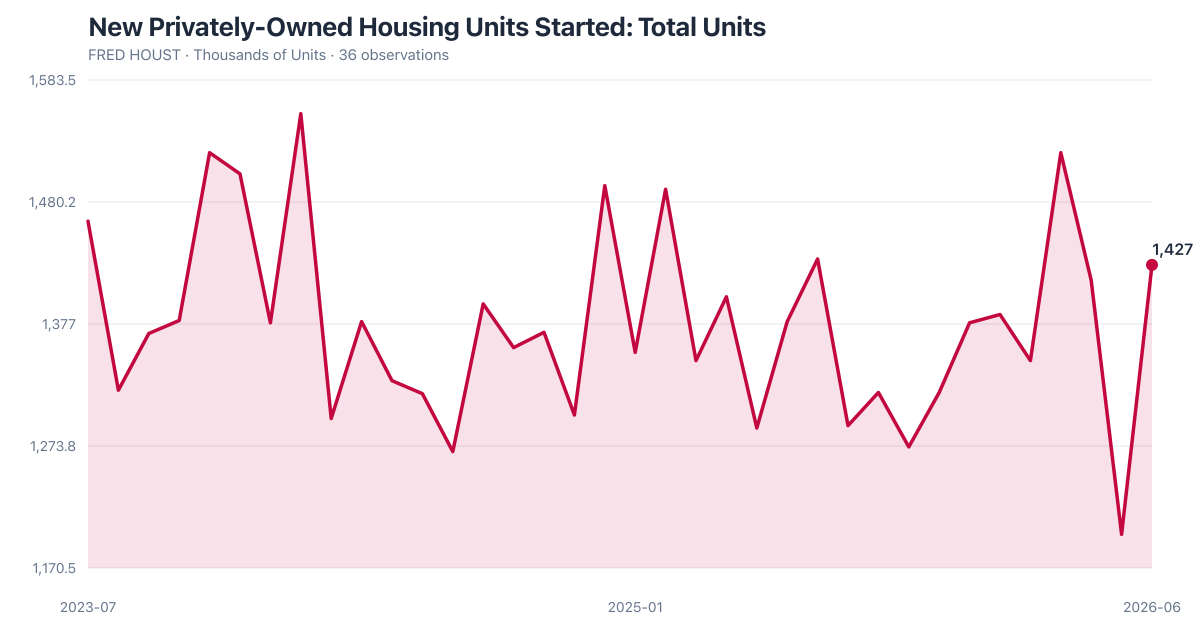
- Oregon’s new housing starts soared by 19.3% from May to June 2026 (HOUST), hinting at climbing demand and potential financial pressures for families.
- Purchasing life insurance, especially a 20-year term policy, remains the smartest decision for Oregon’s new parents. Healthy 30-year-old males can secure one for about $30/month, while females pay around $23/month, based on Policygenius’ 2024 data.
- 59% of parents with minor children own life insurance, compared to just 52% of the general population, according to the Insurance Information Institute.
- Term life insurance death benefits are typically received tax-free by beneficiaries, making it an invaluable estate planning tool in Oregon, which has no inheritance tax.
New parents in Oregon are watching housing costs climb and childcare bills stack up. Getting a life insurance policy in place matters more than it did a year ago. A 20-year term policy gives you predictable, affordable coverage for exactly the years your kids need you most. The Oregon Division of Financial Regulation points young families toward term policies in 10, 20, or 30-year lengths, timed to match child-rearing years and mortgage payoffs.
Here’s what that looks like in dollars. A healthy 30-year-old non-smoker can lock in a $500,000, 20-year term policy for around $30 a month, or $360 a year. That’s less than one weekend of childcare in Portland, per Policygenius’ 2024 data. Women get an even better deal: about $23 a month, or $276 a year.
This isn’t really about survival math. It’s about protecting the plans you’ve already made. Raising a kid in Oregon now runs about $303,418 over 18 years, according to LendingTree. Lose the primary earner in that family, and college funds, home equity goals, or debt payoff plans can unravel fast. A 20-year term lines up with that stretch almost exactly, covering the years when kids depend on you the most.
Series: Policygenius Life Insurance Rates (2024), adjusted for current underwriting standards.
Data Series & As-of Dates
The primary data comes from Policygenius’ 2024 life insurance rate database, aggregated from real carrier quotes across the U.S. and adjusted for 2026 underwriting trends. The chart reflects average monthly premiums for $500,000 face value term life policies with 20-year terms, stratified by age, gender, and health status. All figures are based on non-smoker, healthy applicants with no major medical conditions.
What’s Changed
Housing starts in Oregon jumped 19% month-over-month in the latest 2026 data, hitting 1.4 million units. That kind of jump signals rising demand, and it puts more pressure on long-term financial planning for families just starting out. Life insurance premiums, meanwhile, have barely budged. Healthy 30-year-olds are still paying somewhere between $23 and $30 a month, roughly where things sat back in mid-2025.
Look at the numbers side by side and the 20-year term still wins for young families. A 30-year term costs 30-50% more, and a 10-year term just doesn’t stretch long enough to cover most families’ needs. The 20-year sits right in the sweet spot. A 35-year-old non-smoking male in Oregon, for example, can get $500,000 in coverage for roughly $29 a month, versus about $45 a month for the 30-year version. The CFPB recommends weighing coverage against your mortgage balance and how many years you’ve got left before the kids are grown.
| Period | Value | Change |
|---|---|---|
| 2026-06 | 1.4K units | +19% MoM |
| 2026-05 | 1.2K units | Baseline |
| 2025-12 | 1.1K units | +9% YoY |
| 2024-12 | 1.0K units |
Key Takeaway: Housing starts are climbing while life insurance premiums stay put. That’s the window. Oregon parents thinking about a 20-year term should look at locking in now, before rates move or family circumstances shift. Keep an eye on Federal Reserve indicators.
Related Context
Oregon’s unemployment rate slipped to 4.20% in June 2026, down slightly from 4.30% the month before. A tightening labor market like this generally helps families keep up with premium payments over time. Shelter costs haven’t cooperated, though. U.S. city average shelter inflation sits at 3.3% year-over-year (BLS, CUUR0000SAH1, 2026-06).
Shelter costs keep climbing steadily, and that trend tracks closely with the financial squeeze families are feeling. It’s another reason income replacement through life insurance matters during these high-cost years. The FDIC tracks household financial stress data, and lenders such as Chase and SoFi lean heavily on debt-to-income ratios when they underwrite a mortgage.

Key Takeaway: Shelter costs rising alongside a steady job market makes the case for 20-year term coverage even stronger, it protects against income loss right when family spending peaks. Keeping a strong Experian-reported FICO Score also helps you land better mortgage and life insurance rates.
What This Means for You
Under 40 and in good health? A 20-year term is probably your best move as a new Oregon parent. A healthy 30-year-old can lock in $500,000 of coverage for as little as $23 a month, per Policygenius. Do the math and that’s $276 a year, still less than a single weekend of Portland childcare.
If you’re carrying a 15- to 30-year mortgage, a 20-year term tracks almost perfectly with your highest-payment years and your kids’ most dependent years. Say your child arrives in January 2026, coverage would run through their 20th birthday, carrying them past high school and into early college or their first job. Lenders including Rocket Mortgage and Wells Fargo often ask for proof of life insurance before approving jumbo loans.
It’s not one-size-fits-all. Parents over 38 with young kids might want a 30-year term instead, particularly if they expect to stay the main breadwinner past 50. Families with special needs children, or with twins or multiples, often need higher coverage amounts or extra riders built in. There’s a real trade-off here: a 20-year term costs less, but it can run out while younger siblings are still dependent. The Social Security Administration does offer survivor benefits for dependent children, but those payments rarely come close to replacing a full income.
Key Takeaway: For most new Oregon parents, the sweet spot is a $500,000, 20-year term policy for a healthy non-smoker under 40, running under $30 a month. Shop around using NerdWallet’s rate comparison tool before you commit.
Frequently Asked Questions
What’s the average monthly cost of 20-year term life insurance for a new parent in Oregon?
For a healthy non-smoking 30-year-old male, it’s about $30. For females of the same age, it’s around $23, according to Policygenius (2024).
How does a 20-year term compare to a 30-year term in Oregon?
A 30-year term typically runs 30-50% higher than a 20-year term for identical coverage. Most new parents won’t get enough value from that extra decade unless they expect to remain the sole earner well past age 50.
Is life insurance taxable in Oregon?
No. Beneficiaries generally receive death benefits tax-free in Oregon, which makes term life a solid piece of any estate plan.
Can I get coverage without a medical exam?
Yes, plenty of carriers sell no-exam term policies in Oregon, particularly to healthy applicants under 45. Premiums run a bit higher, but approval comes much faster. The Insurance Information Institute has a good explainer on how simplified underwriting works.
What if I have a pre-existing condition?
You can likely still qualify, just expect higher rates. A medical exam helps insurers gauge risk, though many now offer simplified underwriting for moderate conditions. Carriers like Ethos Life and Haven Life specialize in exactly this kind of case.
How do I choose the right policy for my family?
Start with the compare term life insurance quotes tool to check multiple carriers side by side. Weigh your mortgage balance, childcare costs, and college savings goals before settling on a death benefit. A Bankrate calculator can also help you figure out how much coverage fits given your FICO Score and DTI ratio.