Fact-checked by the Smart Insurance 101 editorial team
Quick Answer
To ensure your most valuable items are actually covered, you need to review your policy’s personal property coverage limits, identify items that exceed standard sub-limits (often $1,500 or less for jewelry or electronics), and purchase scheduled endorsements or a floater policy where needed., most standard homeowners policies cover 50–70% of dwelling coverage for personal property, but sub-limits leave costly gaps.
Understanding personal property coverage limits is the single most important step homeowners and renters can take to avoid a devastating payout shortfall after a theft, fire, or disaster., the average homeowners policy provides personal property coverage equal to 50% to 70% of the dwelling limit, according to the Insurance Information Institute, but that headline number conceals critical sub-limits that can leave your most expensive possessions severely underinsured. If your home is insured for $400,000, your personal property limit may be $200,000, but your $8,000 engagement ring might only be covered up to $1,500.
A 2023 survey by Policygenius found that nearly 60% of homeowners underestimate the value of their personal belongings by an average of $26,000. Rising inflation has pushed replacement costs for electronics, jewelry, and collectibles significantly higher, making coverage gaps wider than they were even a few years ago. Our guide at Homeowners Insurance Guide: A Beginner’s Overview covers the foundational policy structure, and this article builds on that by focusing specifically on how to protect your most valuable items.
This guide is for homeowners, renters, and condo owners who want to stop guessing and start knowing exactly what their policy covers. By the end, you will be able to audit your current coverage, identify dangerous gaps, add the right endorsements, and document your possessions in a way that makes claims faster and less stressful.
Key Takeaways
- Standard homeowners policies set personal property coverage at 50–70% of dwelling coverage, but per-category sub-limits often cap jewelry claims at just $1,500, according to the Insurance Information Institute.
- Nearly 60% of homeowners underestimate the value of their belongings by an average of $26,000, leaving a massive gap between what they own and what they are insured for, per Policygenius research.
- Scheduled personal property endorsements (floaters) typically cost between $1 and $2 per $100 of insured value annually, making them one of the most affordable ways to close coverage gaps, according to NerdWallet’s coverage analysis.
- Replacement cost value (RCV) coverage reimburses you for the full cost to buy a new item, while actual cash value (ACV) deducts depreciation, a distinction that can mean thousands of dollars on a single claim, per the Insurance Information Institute.
- A thorough home inventory, including photos, receipts, and serial numbers, can speed up claims settlement by up to 50%, according to III home inventory guidance.
- Renters insurance typically provides $15,000 to $30,000 in personal property coverage, but the same sub-limit problem applies, making scheduled endorsements equally critical for renters with high-value items, per Consumer Reports.
In This Guide
- Step 1: What Are Personal Property Coverage Limits and How Do They Work?
- Step 2: Which Items Have the Lowest Sub-Limits on a Standard Policy?
- Step 3: How Do I Calculate How Much Personal Property Coverage I Actually Need?
- Step 4: Should I Choose Replacement Cost Value or Actual Cash Value for My Belongings?
- Step 5: How Do I Add a Scheduled Endorsement or Floater for High-Value Items?
- Step 6: How Do I Create a Home Inventory That Will Actually Hold Up in a Claim?
- Frequently Asked Questions
Step 1: What Are Personal Property Coverage Limits and How Do They Work?
Personal property coverage limits are the maximum dollar amounts your insurance company will pay to repair or replace your belongings after a covered loss. They operate on two levels: an overall policy limit and per-category sub-limits. Understanding both levels is essential before you can fix any gaps.
How the Two-Tier Limit System Works
Your overall personal property limit is typically expressed as a percentage of your dwelling coverage. On a standard HO-3 homeowners policy, the most common type in the United States, this is usually set at 50% of Coverage A (your home’s structure limit), according to the Insurance Information Institute. Some insurers allow you to raise this to 70% or higher for an additional premium.
Beneath that overall limit, insurers apply special limits of liability, fixed dollar caps on specific categories of property. These caps apply regardless of your overall limit. A policy with $200,000 in total personal property coverage might still limit jewelry theft claims to $1,500 and silverware claims to $2,500.
What to Watch Out For
The most common mistake homeowners make is assuming that a large overall personal property limit protects every individual item equally. It does not. The sub-limit for a category can be far lower than the item’s actual value, and you will only discover this discrepancy at claim time, the worst possible moment.
Also note that personal property coverage is almost always subject to either replacement cost value or actual cash value calculations, which further affects how much you receive. That distinction is covered in detail in Step 4.
Personal property coverage on a standard homeowners policy also extends to your belongings while they are away from home, for example, a laptop stolen from your car or luggage lost on a trip. The same sub-limits and overall policy limits still apply, and off-premises coverage is often capped at 10% of your total personal property limit.
Step 2: Which Items Have the Lowest Sub-Limits on a Standard Policy?
The categories with the most dangerous sub-limits are jewelry, firearms, cash, electronics used for business, collectibles, and silverware. Knowing exactly which categories face the tightest restrictions lets you prioritize which items need additional coverage first.
The Most Commonly Restricted Categories
The following categories consistently carry the most restrictive sub-limits across major insurers, based on standard ISO policy language reviewed by the Insurance Information Institute:
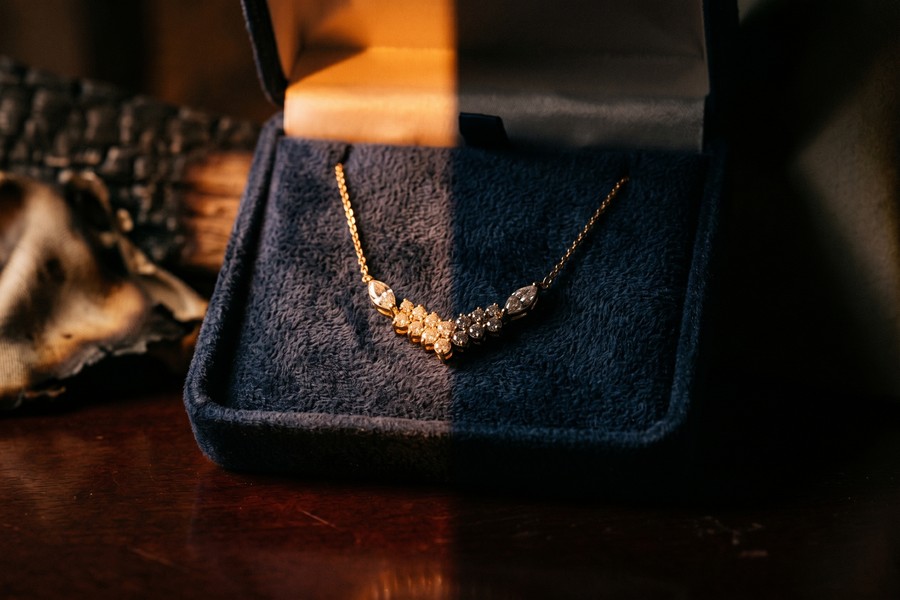
- Jewelry, watches, and furs: Typically capped at $1,500 for theft (loss other than theft may have a separate or higher limit)
- Firearms and related equipment: Usually limited to $2,500 for theft
- Silverware, goldware, and pewterware: Often capped at $2,500 for theft
- Cash and bank notes: Rarely more than $200
- Securities, deeds, and manuscripts: Usually limited to $1,500
- Business property kept at home: Often limited to $2,500 on-premises and as little as $500 off-premises
- Watercraft and trailers: Commonly capped at $1,500
These limits apply specifically to theft losses in most cases. Fire and other covered perils may be handled differently, but damage from flooding or earthquakes requires entirely separate policies.
What to Watch Out For
Do not confuse the theft sub-limit with the all-perils limit for the same category. Some policies cap jewelry at $1,500 for theft but cover fire damage up to the full personal property limit. Always ask your insurer to clarify both figures in writing. You can review important homeowners insurance policy terms to build a stronger vocabulary before your next conversation with your agent.
Business equipment used at home, including professional cameras, medical devices, and commercial tools, is subject to dramatically lower limits under a personal homeowners policy. If you work from home or run a side business, your $4,000 camera or $3,000 laptop may be covered for as little as $500 off-premises. A separate home business endorsement or commercial policy may be required.
Step 3: How Do I Calculate How Much Personal Property Coverage I Actually Need?
To calculate your true personal property coverage need, complete a room-by-room inventory of everything you own and total the replacement cost, not the original purchase price. Most people are surprised to find their belongings exceed $150,000 to $300,000 in total replacement value.
How to Estimate Your Coverage Need
Start with the Insurance Information Institute’s home inventory methodology, which recommends a room-by-room approach. Walk through each room and list every item, its estimated replacement cost, and its serial number or identifying details. Focus on categories that tend to be undervalued:
- Clothing and shoes (a full wardrobe often exceeds $5,000–$10,000 at replacement cost)
- Kitchen appliances and cookware
- Electronics (televisions, computers, tablets, gaming systems)
- Furniture and mattresses
- Tools and lawn equipment
- Sporting goods and musical instruments
- Art, antiques, and collectibles
Use current retail prices, not what you paid five years ago, because you are calculating what it would cost to replace items today. The National Association of Insurance Commissioners (NAIC) recommends checking online retailers or store websites to verify current replacement costs for specific items.
What to Watch Out For
Avoid guessing. Homeowners who estimate rather than inventory their belongings almost always come up short. The Policygenius survey cited earlier found that the average underestimation gap is $26,000, a significant financial exposure that costs almost nothing to close with the right coverage adjustments.
The average American household contains $20,000 to $30,000 worth of personal property at replacement cost, according to the Insurance Information Institute, yet many renters carry only $15,000 in coverage and many homeowners never adjust their personal property limit after their initial policy purchase.
Once you have your total, compare it against your current policy’s personal property coverage limit. If the gap is significant, contact your insurer to raise the overall limit. For specific high-value categories, move on to Step 5 to add scheduled endorsements. Understanding the full cost structure of your policy is also covered in our guide on what insurance actually costs.
| Coverage Method | Best For | Typical Annual Cost | Coverage Limit | Appraisal Required? |
|---|---|---|---|---|
| Standard Policy (Personal Property) | Everyday household items | Included in base premium | 50–70% of dwelling limit; sub-limits apply | No |
| Scheduled Endorsement (Floater) | Jewelry, art, instruments, cameras | $1–$2 per $100 of insured value | Full appraised value; no deductible on many policies | Yes (for items over ~$5,000) |
| Inland Marine Policy | High-value collections, fine art, antiques | $150–$600+ per year | Agreed value up to appraised amount | Yes |
| Blanket Jewelry Rider | Multiple jewelry items under $5,000 each | $50–$200 per year | $5,000–$10,000 blanket limit per loss | Sometimes |
| Separate Collectibles Insurance | Coins, stamps, sports cards, memorabilia | $100–$400+ per year | Agreed value based on current market | Yes |
Step 4: Should I Choose Replacement Cost Value or Actual Cash Value for My Belongings?
Choose replacement cost value (RCV) coverage for your personal property whenever your budget allows. RCV pays what it actually costs to buy a comparable new item today, while actual cash value (ACV) deducts depreciation, meaning a five-year-old laptop worth $1,200 new might yield a check for only $400 or $500 under ACV.
The Real Dollar Difference Between RCV and ACV
Depreciation can be brutal on electronics, appliances, and furniture. A $2,000 television purchased four years ago might have a depreciated ACV of just $600, according to depreciation schedules used by major carriers including State Farm, Allstate, and USAA. Under RCV, that same television would be paid out at whatever a comparable new model costs today, potentially $1,800 or more.
The premium difference between ACV and RCV personal property coverage is typically 10% to 15% of your total personal property premium, according to NerdWallet’s RCV analysis. For most households, that translates to an additional $30–$80 per year, a modest price for significantly better protection.
What to Watch Out For
Even with RCV coverage, most insurers pay out ACV first and then release the remaining funds after you provide receipts proving you actually purchased replacement items. Keep your receipts and document your purchases to collect the full RCV amount. Also be aware that some insurers offer RCV on the home structure but default to ACV for contents, always confirm which method applies to your personal property specifically.
The Insurance Information Institute notes that policyholders frequently do not realize they have ACV on their contents until they file a claim and receive a check that is far less than expected. That conversation about replacement cost value needs to happen at policy purchase, not after a loss.
This distinction becomes even more critical given that insurance premiums are rising rapidly across all categories. Upgrading to RCV now, while also shopping for the best rate, is a sounder long-term financial move than keeping ACV to save a few dollars today.
Step 5: How Do I Add a Scheduled Endorsement or Floater for High-Value Items?
To insure a high-value item beyond your policy’s sub-limits, contact your homeowners or renters insurance carrier and request a scheduled personal property endorsement, also called a floater or rider, for that specific item at its full appraised or agreed value. This is the most reliable way to close personal property coverage limit gaps for jewelry, art, instruments, and collectibles.
How to Do This
Follow these steps to add a scheduled endorsement:
- Get an appraisal. Most insurers require a professional appraisal for items valued above $1,000–$5,000 (thresholds vary by carrier). For jewelry, use a Gemological Institute of America (GIA)-certified appraiser. For art, use an appraiser certified by the American Society of Appraisers (ASA).
- Contact your insurer. Call your agent or log into your carrier’s online portal. Request the endorsement application for scheduled personal property. Major carriers including Chubb, AIG Private Client, State Farm, and Nationwide all offer this coverage.
- Submit documentation. Provide the appraisal, purchase receipt (if available), photos, and any serial numbers or certificates of authenticity.
- Review the agreed value. Confirm whether the endorsement covers the item at agreed value (the appraised amount, paid in full at loss with no depreciation) or at replacement cost. Agreed value is preferable.
- Update annually. Jewelry, art, and collectibles can appreciate significantly. Review your scheduled items every 1–2 years and update appraisals to keep coverage current.
Scheduled endorsements typically cost $1 to $2 per $100 of insured value annually, according to NerdWallet’s analysis of personal property floaters. A $10,000 engagement ring would cost roughly $100–$200 per year to schedule, and most scheduled endorsements carry no deductible and cover accidental loss (including dropping it down a drain), which a standard policy does not cover at all.
What to Watch Out For
Not all floaters are equal. Some offer agreed value while others still apply depreciation. Some exclude “mysterious disappearance” (unexplained loss). Always read the endorsement language and ask your agent specifically: “Does this cover accidental loss and mysterious disappearance?” If the answer is no, compare options from specialty carriers before accepting.
It is also worth acknowledging a real limitation of scheduled endorsements: the appraisal requirement adds cost and time up front, and appraisals themselves can be expensive for fine art or antiques. For items under $1,000 in value, the administrative effort rarely justifies the premium savings. Scheduled coverage makes the most sense for individual items worth $2,500 or more, particularly those subject to the lowest policy sub-limits.
If you have multiple jewelry items but none individually exceeds $5,000, ask your insurer about a blanket jewelry endorsement rather than scheduling each piece separately. A blanket rider provides a higher group limit (typically $5,000–$10,000) at a lower administrative cost than scheduling individual items, and it still eliminates the standard $1,500 theft sub-limit.
Step 6: How Do I Create a Home Inventory That Will Actually Hold Up in a Claim?
A home inventory that survives a claim must include photos or video, item descriptions, serial numbers, and proof of value for every significant possession, and it must be stored somewhere other than your home so it survives a fire or flood. This documentation is what turns a disputed claim into a fast, full payout.
How to Do This
Use the following approach recommended by the National Association of Insurance Commissioners (NAIC) and the Insurance Information Institute:
- Video walkthrough: Walk through every room recording video commentary describing each major item, its approximate value, and any identifying features. This is faster than written logs and highly credible to adjusters.
- Photo documentation: Photograph high-value items individually. Include close-ups of serial number plates, hallmarks, and any identifying engravings.
- Written log: Use a spreadsheet or the NAIC’s free home inventory app to record item name, description, purchase date, purchase price, estimated current value, and serial number.
- Receipts and appraisals: Scan and save digital copies of all receipts, appraisals, and certificates of authenticity.
- Off-site and cloud storage: Store copies in cloud services (Google Drive, iCloud, Dropbox), email a copy to yourself, and optionally store a USB drive in a bank safe-deposit box.
Update your inventory whenever you make a significant purchase. A quarterly review takes less than 30 minutes and can dramatically speed up claim resolution. The Insurance Information Institute estimates that a thorough home inventory can reduce claim settlement time by up to 50%, according to their home inventory guidance.
What to Watch Out For
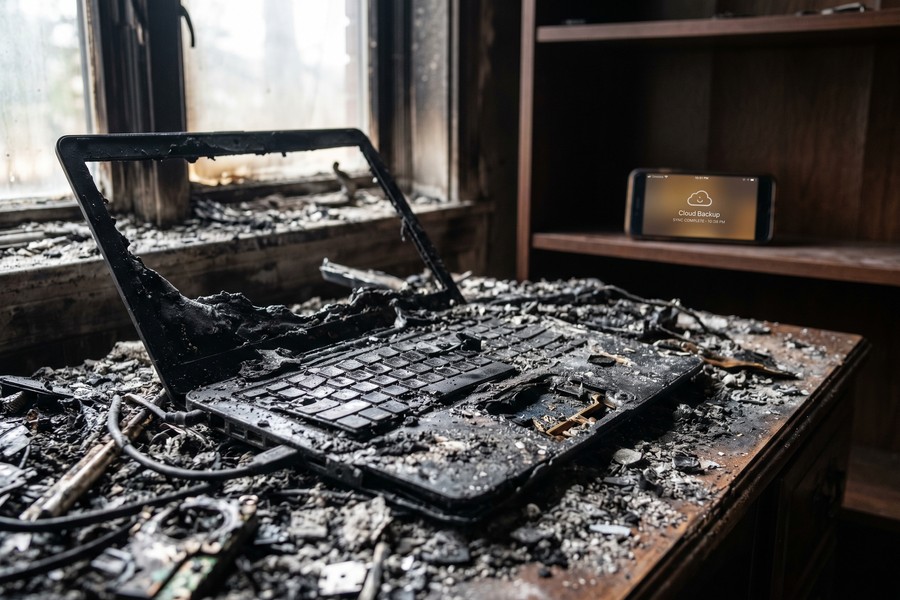
A home inventory stored only on a computer inside your home is nearly useless after a house fire. Always maintain at least one off-site or cloud copy. Also, do not rely solely on credit card statements as proof of value, they show what you paid years ago, not current replacement cost. Combining statements with current retail price screenshots gives you the strongest documentation.
After completing your home inventory, share it with your insurance agent. Agents can immediately flag items that exceed your current personal property coverage limits or sub-limits, saving you from discovering a gap only after a loss. Think of it as a free coverage audit built into the documentation process.
According to the Insurance Information Institute, the single biggest obstacle policyholders face after a major loss is lack of documentation. Insurance companies are not in the business of guessing what you owned. Without an inventory, claim settlement can stretch into months of back-and-forth as you try to remember items and prove their value, all while dealing with the aftermath of the loss itself.
A solid home inventory also accelerates the claim filing process itself, which connects directly to understanding how your overall homeowners policy works. If you want to review the full picture of what a standard policy covers, our guide on whether you are covered for anything that can happen to your home and belongings is a natural next read. You might also explore practical strategies in our article on how to save money on homeowners insurance, because adding endorsements does not have to mean paying more overall if you shop strategically.
Frequently Asked Questions
What is the standard personal property coverage limit on a homeowners policy?
The standard personal property coverage limit on most homeowners policies is 50% of the dwelling coverage amount, though many insurers allow you to raise it to 70% or higher. On a home insured for $350,000, that means a default personal property limit of $175,000, but critical per-category sub-limits (like $1,500 for jewelry theft) apply beneath that number, according to the Insurance Information Institute.
Does renters insurance have the same personal property coverage limits as homeowners insurance?
Renters insurance has separate personal property limits, typically ranging from $15,000 to $30,000 for a standard policy, and the same sub-limit categories apply. Jewelry, firearms, and cash face the same restrictive per-category caps as homeowners policies. Renters who own high-value items should add scheduled endorsements through their renters insurance carrier just as homeowners would.
How do I know if my jewelry is underinsured on my homeowners policy?
Your jewelry is almost certainly underinsured if its total value exceeds $1,500, the typical theft sub-limit on a standard HO-3 policy. Review your policy’s Declarations Page and Special Limits of Liability section. If your jewelry’s current appraised or replacement value exceeds that cap, contact your insurer immediately to add a scheduled endorsement or floater.
What does a scheduled personal property endorsement actually cover that my regular policy does not?
A scheduled personal property endorsement covers the full agreed or appraised value of a specific item with no deductible, and it typically adds coverage for perils not included in a standard policy, such as accidental loss and mysterious disappearance. For example, if you accidentally drop your engagement ring into a storm drain, a standard policy pays nothing, while a scheduled floater pays the full appraised value.
How much does it cost to schedule jewelry on a homeowners policy?
Scheduling jewelry on a homeowners policy costs approximately $1 to $2 per $100 of insured value annually, making it very affordable relative to the protection it provides. A $10,000 ring costs roughly $100–$200 per year to schedule, often with no deductible and broader coverage than the standard policy. Rates vary by carrier and geographic location.
Should I increase my personal property coverage limits or just add endorsements for specific items?
You should do both if your total inventory value exceeds your current personal property limit. Raise your overall limit to match your total inventory replacement cost, and add scheduled endorsements for any individual items that exceed the applicable sub-limits. These two actions address different problems: the overall limit protects against catastrophic whole-home losses, while endorsements protect individual high-value items in all loss scenarios.
What happens if I do not have receipts for items I am claiming after a loss?
Most insurers will accept alternative proof of ownership, including credit card statements, bank records, photos, owner’s manuals, and warranty cards, when original receipts are not available. A home inventory with detailed photos and written descriptions significantly strengthens your claim even without receipts. The insurer’s adjuster will work with available documentation, but the better your records, the faster and more complete your settlement will be.
Does my homeowners policy cover personal property in a storage unit?
Yes, most standard homeowners policies extend personal property coverage to belongings stored off-premises, including in a storage unit, but typically only up to 10% of your total personal property limit. On a $200,000 personal property limit, that means only $20,000 for storage unit contents. All the same sub-limits for jewelry, firearms, and other categories also apply. If you store high-value items, verify this limit and consider a separate storage unit policy or endorsement.
Are collectibles like trading cards, coins, and sports memorabilia covered under standard personal property coverage limits?
Standard homeowners policies provide very limited coverage for collectibles, often with a blanket sub-limit of $1,500 to $2,500 for stamps and coins specifically, and no guaranteed coverage for items like trading cards or memorabilia as a category. Collectors with significant holdings should purchase a separate inland marine policy or specialized collectibles insurance through carriers like Collectibles Insurance Services or American Collectors Insurance to ensure full agreed-value protection.
How often should I review my personal property coverage limits?
Review your personal property coverage limits at least once per year at policy renewal, and immediately after any major purchase, inheritance, or significant life event such as a marriage or divorce. Inflation alone can push your total replacement cost higher each year, and new purchases quickly become uninsured gaps if you do not update your inventory and coverage accordingly. Our guide on ways to get the best home insurance coverage outlines a broader annual review process.
Is scheduled personal property coverage worth it for lower-value items?
Generally, no. The appraisal cost, administrative time, and per-item premium make scheduled endorsements most practical for items worth $2,500 or more, particularly those in categories with the tightest sub-limits, like jewelry. For items in the $500–$1,500 range, the out-of-pocket cost to replace them may be comparable to or less than the cumulative premium you would pay over several years. Focus your scheduling effort on the items where a loss would actually cause financial hardship.
What if my insurer refuses to schedule a specific item?
Some carriers decline to schedule certain categories, particularly antiques, one-of-a-kind art, or items they cannot independently value. In that case, a standalone inland marine policy from a specialty insurer is your best alternative. These policies are written specifically for high-value property and are often more flexible about coverage terms, agreed value, and the types of items they will insure. Carriers like Chubb and AIG Private Client Group specialize in this market.
Sources
- Insurance Information Institute, Homeowners Insurance Basics
- Insurance Information Institute, What Is Covered by Standard Homeowners Insurance
- Insurance Information Institute, How to Create a Home Inventory
- NerdWallet, Scheduled Personal Property Coverage: What It Is and How It Works
- National Association of Insurance Commissioners, A Consumer’s Guide to Home Insurance
- American Society of Appraisers, Find a Certified Appraiser


