Fact-checked by the Smart Insurance 101 editorial team
Quick Answer
The most costly homeowners insurance claim mistakes include failing to document damage immediately, waiting too long to file, accepting the first settlement offer, not understanding your policy exclusions, and making repairs before the adjuster inspects the damage. As of July 2025, the average homeowners claim payout is $13,955, and policyholders who avoid these errors recover up to 30% more in settlements.
Avoiding homeowners insurance claim mistakes starts the moment damage occurs — not after you’ve already called your contractor. In July 2025, the average homeowners insurance claim takes between 30 and 60 days to fully resolve according to the Insurance Information Institute, and errors made in the first 48 hours are the most common reason payouts are reduced or denied entirely. The five mistakes covered in this guide are the ones insurance adjusters see most often — and the ones that cost homeowners the most money.
Property damage claims are surging in 2025. The National Oceanic and Atmospheric Administration (NOAA) reported that the U.S. experienced 28 separate billion-dollar weather disasters in 2023, a record that is already being challenged by 2024 and 2025 storm seasons. More claims mean more pressure on adjusters and more opportunities for insurers to apply policy exclusions, depreciation formulas, and filing deadlines that reduce what you receive.
This guide is for any homeowner who has recently experienced property damage — or wants to be prepared before it happens. By the end, you will know exactly which homeowners insurance claim mistakes to avoid, how to document your loss properly, and how to push back if your insurer undervalues your claim.
Key Takeaways
- 13,955 dollars is the average homeowners insurance claim payout in the U.S., according to Insurance Information Institute data — making every percentage point of your settlement significant.
- Policyholders who hire a public adjuster recover 20–40% more on average than those who negotiate alone, per the National Association of Insurance Commissioners (NAIC).
- Most homeowners policies require you to file within 1 year of the damage date, though some states impose deadlines as short as 6 months, according to NAIC consumer guidance.
- Homeowners who fail to create a home inventory before a loss recover an average of $5,000 less in personal property claims, based on research cited by the Insurance Information Institute.
- Accepting an initial settlement offer without review costs policyholders an estimated $3,200 on average, per analysis from the United Policyholders consumer advocacy organization.
- Filing a fraudulent or inflated claim — even accidentally — can result in policy cancellation and being added to the CLUE (Comprehensive Loss Underwriting Exchange) database for up to 7 years, affecting future coverage eligibility.
In This Guide
- Step 1: How do I properly document property damage for an insurance claim?
- Step 2: How long do I have to file a homeowners insurance claim after damage occurs?
- Step 3: What policy exclusions and coverage gaps cause homeowners insurance claims to get denied?
- Step 4: Should I accept the first settlement offer from my homeowners insurance company?
- Step 5: Can I make repairs before the insurance adjuster inspects the damage?
- Frequently Asked Questions
Step 1: How Do I Properly Document Property Damage for an Insurance Claim?
Thorough documentation is the single most important action you can take after property damage occurs. Without photos, videos, and an itemized inventory, your insurer has no obligation to pay more than their adjuster estimates — and adjusters are trained to minimize payouts.
How to Do This
Begin documenting within the first hour if it is safe to do so. Use your smartphone to record a continuous walk-through video before touching anything. Then take still photos of every damaged area from multiple angles, including wide shots for context and close-ups showing severity.
Create a written inventory of every damaged or destroyed item. For personal property, list the item name, approximate age, original purchase price, and replacement cost. Apps like Encircle and iHomeFinder are designed specifically for insurance documentation and allow you to attach receipts, serial numbers, and photos in one place.
Back up all files to a cloud service such as Google Drive or iCloud immediately. If your device is lost or damaged in the same event, local storage becomes worthless. Learn more about what your policy actually covers before the adjuster arrives by reviewing our Homeowners Insurance Guide for Beginners.
What to Watch Out For
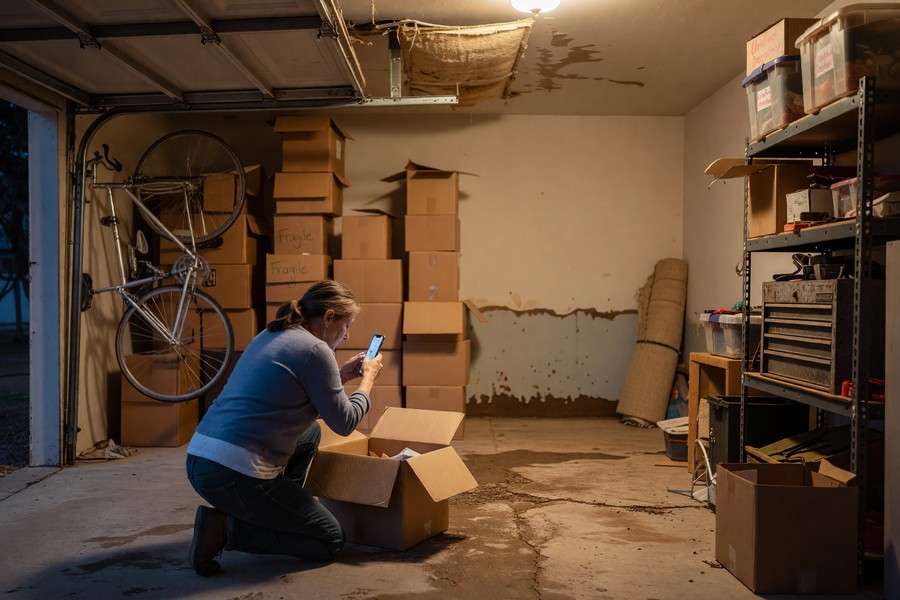
Many homeowners take photos only of visible structural damage and forget personal property inside closets, garages, or the basement. Insurers require proof for every item you claim. If you do not photograph it, they can deny that portion of the claim.
Create a home inventory video before any damage occurs and store it in cloud storage outside your home. The Insurance Information Institute estimates that fewer than 48% of homeowners have any form of documented home inventory, leaving the majority undercompensated after a loss.
Step 2: How Long Do I Have to File a Homeowners Insurance Claim After Damage Occurs?
You must file your homeowners insurance claim as quickly as possible — and almost always within the window specified in your policy, which is typically between 6 months and 2 years depending on your insurer and state. Missing this deadline is one of the most preventable homeowners insurance claim mistakes, yet it happens regularly after large-scale disasters when homeowners assume there is no urgency.
How to Do This
Pull out your policy declarations page and find the clause labeled “duties after loss” or “notice of claim.” This section specifies your reporting timeframe. If your policy is digital, search for “prompt notice” — most standard ISO homeowners forms require you to notify your insurer “as soon as practicable.”
Contact your insurer by phone and follow up in writing — email or certified mail — to create a timestamp record. Note the claim number, the adjuster’s name and contact information, and the date of first contact. The Consumer Financial Protection Bureau (CFPB) recommends keeping a dedicated claims file with copies of all correspondence.
What to Watch Out For
After a major regional disaster — like a hurricane or wildfire — state insurance commissioners may issue emergency extensions on filing deadlines. Check your state’s Department of Insurance website to confirm whether any emergency orders apply to your situation. Do not assume an extension exists; confirm it in writing.
Filing late — even by one day past your policy’s deadline — gives your insurer legal grounds to deny your claim entirely, regardless of how legitimate the damage is. Do not delay because you are waiting to see “how bad it really is.” File first, assess later.
Step 3: What Policy Exclusions and Coverage Gaps Cause Homeowners Insurance Claims to Get Denied?
The most common reason homeowners insurance claims are denied is not fraud or negligence — it is that the damage falls under a standard exclusion the homeowner did not know existed. Understanding your exclusions before you file prevents wasted time, frustration, and the costly mistake of making repair decisions based on coverage you do not actually have.
How to Do This
Read Section I, Part B of your homeowners policy — this is the “Exclusions” section in most standard HO-3 policies. The most commonly misunderstood exclusions include:
- Flooding: Standard homeowners policies exclude flood damage entirely. Separate coverage must be purchased through the National Flood Insurance Program (NFIP) or a private flood insurer.
- Earthquake: Also excluded from standard policies in most states. California residents can purchase coverage through the California Earthquake Authority (CEA).
- Mold and rot: Damage from slow leaks or long-term moisture intrusion is typically excluded as “maintenance neglect.”
- Sewer backup: Usually excluded unless a specific endorsement is added.
- Ordinance or law upgrades: If rebuilding requires code upgrades, the extra cost may not be covered without an Ordinance or Law endorsement.
If you are unsure whether your damage is covered, contact your insurer’s claims department before filing. A denial on record — even one you later reverse — can affect future coverage. You can also review the important homeowners insurance policies you should know for a breakdown of common endorsements.
What to Watch Out For
Many homeowners confuse “water damage” with “flooding.” A burst pipe is typically covered; rainwater entering from the ground is not. The distinction is the source of the water, not the extent of the damage.
According to the Insurance Information Institute, flood damage alone accounts for more than $3 billion in uninsured losses each year because homeowners assume it is included in their standard policy. Only about 4% of homeowners nationally carry separate flood insurance.
| Damage Type | Covered by Standard HO-3? | How to Get Coverage |
|---|---|---|
| Wind / Hail | Yes — typically included | Standard policy; check deductible (may be 1–5% of dwelling value) |
| Fire / Smoke | Yes — included | Standard policy covers structure and personal property |
| Flooding | No — excluded | NFIP policy or private flood insurer; avg. cost $700–$1,200/year |
| Earthquake | No — excluded | Separate endorsement or standalone policy; avg. cost $800–$2,500/year |
| Sewer Backup | No — excluded | Endorsement; typically $50–$250/year added to policy |
| Mold (from neglect) | No — maintenance issue | Mold endorsement available; avg. $500–$1,500 for remediation claim |
| Code Upgrades | No — excluded | Ordinance or Law endorsement; typically 10–25% of dwelling coverage |
Reviewing your coverage before you file gives you the information you need to present your claim accurately. If you find gaps, you can address them for future events. For cost-saving strategies on coverage, see our guide on how to save money on your homeowners insurance.
“Most homeowners are surprised to learn that their policy contains exclusions they never discussed with their agent at purchase. The time to read your policy is before you have a loss — not after. I see denied claims every week that could have been prevented with a 30-minute policy review.”
Step 4: Should I Accept the First Settlement Offer from My Homeowners Insurance Company?
You should not accept the first settlement offer without first independently verifying that it covers your full documented loss. The initial offer from an insurance company is a starting point — not a final number — and one of the most consequential homeowners insurance claim mistakes is treating it as non-negotiable.
How to Do This
When you receive the adjuster’s estimate, request an itemized breakdown. This document will list every line item, the depreciation applied, and the difference between Actual Cash Value (ACV) and Replacement Cost Value (RCV). If your policy covers RCV, you are entitled to the full cost of replacing damaged items at current market prices — not their depreciated value.
Obtain at least two independent contractor estimates for structural repairs. If your contractor’s quotes exceed the insurer’s estimate by more than 10%, submit the contractor quotes as a formal supplement request. Most insurers are required by state law to respond to supplement requests within a defined period — typically 10 to 15 business days.
If the gap between the insurer’s offer and your documented loss is significant, consider hiring a public adjuster. Public adjusters are licensed professionals who represent policyholders — not insurers — and typically charge 10–15% of the final settlement. The NAIC confirms that policyholders who use public adjusters recover meaningfully higher settlements on average.
What to Watch Out For
Signing a Proof of Loss document or accepting a settlement check without reading the fine print can constitute a full and final release of your claim. Once you sign, reopening the claim becomes very difficult. Read every document before signing, and ask your insurer in writing whether the offer is a partial or final settlement.
According to research cited by United Policyholders, homeowners who negotiate their first settlement offer — rather than accepting it — receive an average of $3,200 more per claim. On larger claims involving major structural damage, the difference can exceed $20,000.
Step 5: Can I Make Repairs Before the Insurance Adjuster Inspects the Damage?
You can — and should — make emergency temporary repairs to prevent further damage, but you must not make permanent repairs before the adjuster has inspected and documented the original damage. Making permanent repairs too early is one of the most frequently cited homeowners insurance claim mistakes because it destroys the evidence your insurer needs to properly value the claim.
How to Do This
Temporary emergency repairs are both allowed and expected by your policy. Most HO-3 policies contain a “duty to mitigate” clause requiring you to take reasonable steps to prevent further loss. Acceptable temporary repairs include:
- Tarping a damaged roof to prevent water intrusion
- Boarding up broken windows
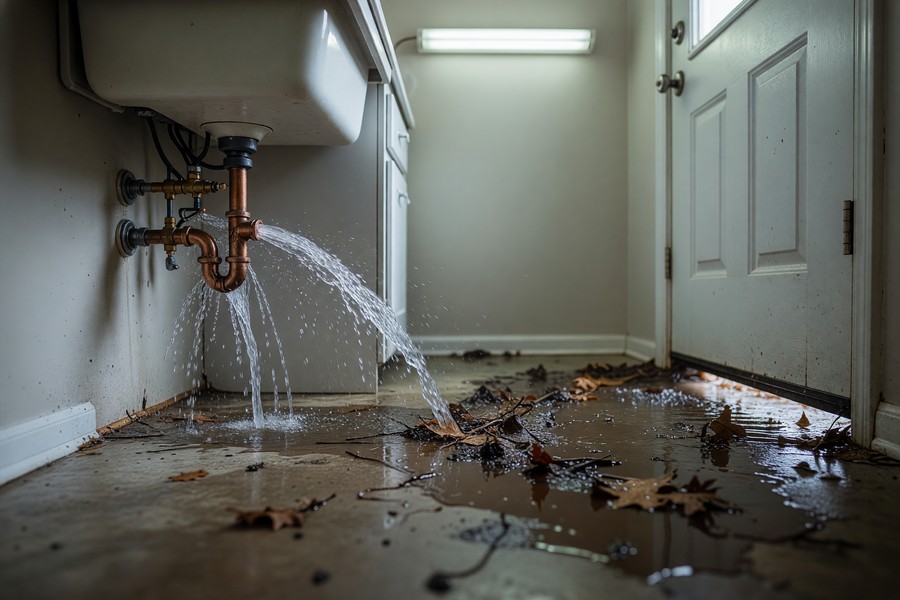
- Shutting off water to stop an active pipe leak
- Removing standing water with a pump or wet-dry vacuum
Save every receipt for emergency repair materials and labor — these costs are typically reimbursable under your policy. Photograph the area both before and after each temporary repair. Do not proceed with structural rebuilding, roof replacement, or interior renovation until the adjuster has physically inspected the damage and you have the written estimate in hand.
If your home is uninhabitable, your policy’s Additional Living Expenses (ALE) or Loss of Use coverage will pay for temporary housing, meals above your normal food budget, and storage. Keep all receipts organized by date. For a full picture of what standard homeowners policies include and exclude, review the coverage checklist for home and belongings.
What to Watch Out For
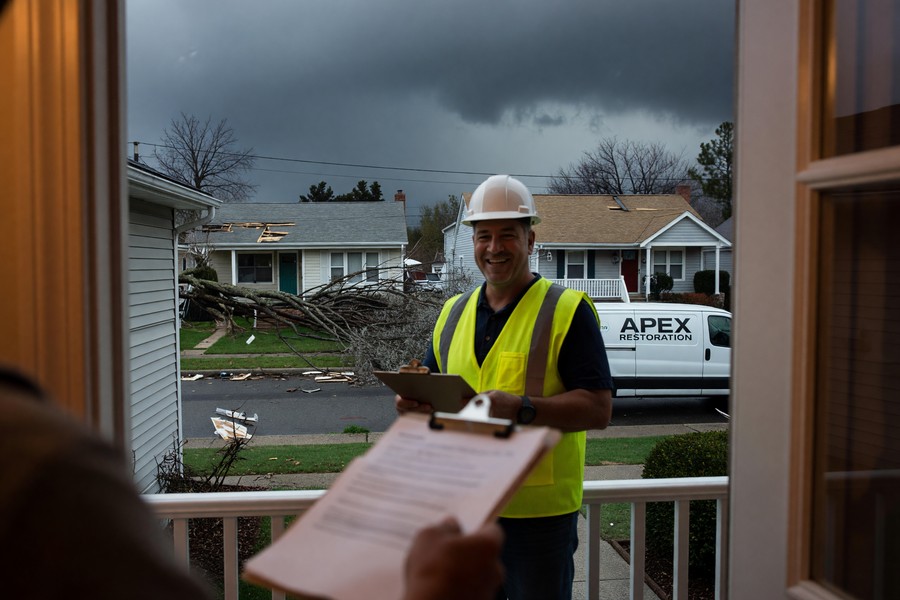
Contractors who knock on your door immediately after a storm — sometimes called “storm chasers” — frequently pressure homeowners into signing Assignment of Benefits (AOB) agreements. These documents transfer your insurance claim rights directly to the contractor, removing your control over the settlement process. Multiple state insurance commissioners have issued consumer warnings about AOB abuse leading to inflated claims and denied coverage.
Never sign an Assignment of Benefits agreement before speaking with your insurer. In states like Florida, AOB fraud has contributed to a market crisis where several major insurers have exited the state entirely. Signing one can void cooperation clauses in your policy and trigger a formal investigation.
“The biggest error I see is homeowners completing full repairs and then expecting the insurer to simply reimburse them based on a contractor invoice. Insurers have the right to inspect damage in its original state. When that opportunity is taken away, they often dispute the scope of repairs and reduce the payout significantly.”
Understanding these steps is essential, but avoiding homeowners insurance claim mistakes also requires knowing what a solid policy looks like from the start. If you are evaluating your current coverage, explore our resource on ways to get the best home insurance coverage and save money.
Schedule an annual policy review with your insurance agent every year in the same month you bought your home. Property values and construction costs change significantly over time — the National Association of Realtors reported a 47% increase in median home prices between 2019 and 2024, meaning policies purchased five years ago may now carry significant replacement cost gaps.
Related reading: Colorado Homeowner Secures Homeowners Insurance After Tree Collapse Claim.
Frequently Asked Questions
What happens if I file a homeowners insurance claim and it gets denied?
If your claim is denied, you have the right to formally appeal through your insurer’s internal dispute resolution process. Submit a written appeal with supporting documentation — contractor estimates, photos, and your policy language — within the timeframe specified in your denial letter, typically 30 to 60 days. If the internal appeal fails, you can file a complaint with your state’s Department of Insurance or pursue appraisal or mediation as outlined in your policy.
How do I know if my homeowners insurance claim will raise my rates?
Filing a homeowners insurance claim can increase your premium by an average of 9–40% depending on claim type, your insurer, and your state, according to industry data. Larger claims for perils like fire or major water damage carry higher surcharges than small weather claims. Insurers typically review your CLUE report — which records claims for up to seven years — before setting renewal rates.
Should I hire a public adjuster for my homeowners insurance claim?
You should consider hiring a public adjuster when your claim exceeds $10,000, involves disputed scope of damage, or when your insurer’s estimate is significantly lower than your contractor quotes. Public adjusters are licensed by your state, represent your interests only, and typically earn 10–15% of the final settlement. Their fee is usually offset by the higher settlement they negotiate.
How long does a homeowners insurance claim take to settle?
Most straightforward homeowners insurance claims settle within 30 to 60 days, though complex claims involving structural damage, disputed scope, or litigation can take 6 to 18 months. State laws set maximum response timeframes for insurers — most require acknowledgment within 10 days and a coverage decision within 30 to 45 days of receiving a complete Proof of Loss. Prompt, complete documentation on your part shortens this timeline considerably.
What is the difference between actual cash value and replacement cost value in a homeowners claim?
Actual Cash Value (ACV) pays you what your damaged property was worth at the time of loss — after depreciation. Replacement Cost Value (RCV) pays you the amount needed to replace the item at today’s prices without depreciation deductions. A 10-year-old roof with ACV coverage might pay only $4,000 toward replacement, while an RCV policy on the same roof might pay $14,000. Check your declarations page — the policy type is listed there.
What documentation do I need to file a homeowners insurance claim?
To file a homeowners insurance claim, you will need: your policy number and declarations page, photos and video of all damage, an itemized list of damaged or destroyed personal property with estimated values, receipts or proof of purchase for major items where available, contractor estimates for structural repairs, and records of any emergency repairs made. The more complete your documentation at filing, the faster and more accurately your claim will be processed.
Can I reopen a homeowners insurance claim after it has been closed?
Yes, you can often reopen a closed claim if you discover additional damage related to the original loss event. Most states allow claims to be reopened within the statute of limitations for insurance contracts — typically 2 to 6 years depending on your state. Contact your insurer in writing, reference your original claim number, and provide documentation of the newly discovered damage. Do not delay — the longer you wait, the harder it is to prove the damage is related to the original event.
Does filing a small homeowners insurance claim hurt me more than it helps?
For claims under $2,000 to $3,000, it often costs you more in long-term premium increases than the claim pays out. Many insurance professionals recommend using your deductible as a guide — if the damage is only modestly above your deductible amount, paying out-of-pocket preserves your claims history. However, never skip filing when damage is significant or when there is a risk of hidden structural issues that may worsen over time.
What should I do if a contractor asks me to sign an Assignment of Benefits for my insurance claim?
Do not sign an Assignment of Benefits (AOB) agreement without first consulting your insurer and potentially an attorney. AOB agreements transfer your right to claim benefits directly to the contractor, removing your control over the settlement negotiation. Multiple state insurance commissioners — including Florida’s and Georgia’s — have issued formal consumer alerts warning that AOB abuse is a leading driver of inflated claims, denied coverage, and policy cancellations.
How do I avoid the most common homeowners insurance claim mistakes when dealing with my insurer?
The most effective way to avoid homeowners insurance claim mistakes is to document everything in writing, never accept verbal commitments, file promptly, and read every document before signing. Keep a dedicated claims journal noting the date, time, and content of every conversation with your insurer or adjuster. Staying organized and informed — rather than deferring entirely to the adjuster — is the single most reliable predictor of a favorable claims outcome.
Sources
- Insurance Information Institute — Homeowners and Renters Insurance Statistics
- Insurance Information Institute — How to Create a Home Inventory
- National Association of Insurance Commissioners (NAIC) — Consumer Alert on Public Adjusters
- NAIC — A Consumer’s Guide to Homeowners Insurance
- FEMA — National Flood Insurance Program (NFIP)
- NOAA — 2023 Record-Breaking Billion-Dollar Weather Disasters
- Consumer Financial Protection Bureau (CFPB) — What to Do If You Have a Problem With Your Homeowners Insurance
- California Department of Insurance — Homeowners Insurance Basics
- United Policyholders — Claim Filing and Recovery Resources
- National Association of Realtors — Housing Statistics and Median Home Price Data


