Quick Answer
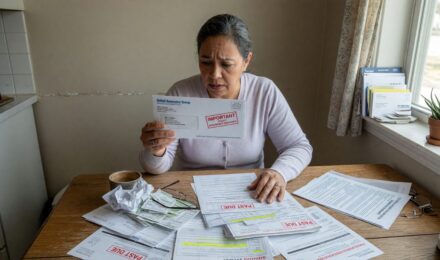
Health insurance is essential protection against financial ruin from medical emergencies. As of April 26, 2026, the average monthly health insurance premium for an individual is $477, and 60% of U.S. bankruptcies are linked to medical bills — making coverage one of the most critical financial decisions you can make.
Health insurance can be a costly investment, but it is important to have in case of an unexpected health emergency. The cost of health insurance varies depending on the type of plan you choose, your age, and where you live. Many employers offer health insurance as a benefit to their employees, so it is important to check with your employer to see if they offer health insurance. If you are self-employed, you may be able to purchase health insurance through the Health Insurance Marketplace. You can also purchase private health insurance through a broker or directly from an insurance company. Here, we will discuss why health insurance is important and how the cost of health insurance can vary.
Key Takeaways
- Medical debt is the leading cause of personal bankruptcy in the U.S., with 60% of bankruptcies tied to medical bills, according to the Insurance Information Institute.
- The average monthly individual health insurance premium is $477, but employer-sponsored plans significantly reduce that out-of-pocket cost, per KFF’s 2025 Employer Health Benefits Survey.
- People with health insurance are more likely to receive preventive screenings for cancer, diabetes, and high blood pressure, reducing long-term treatment costs, according to the CDC.
- The Commonwealth Fund found that insured individuals are significantly more likely to maintain personal savings than their uninsured counterparts.
- Health insurance premiums paid by self-employed individuals may be 100% tax deductible under IRS rules, offering meaningful savings depending on your tax bracket.
- Domiciliary (at-home) treatment coverage is included in most comprehensive health insurance policies, reducing the financial burden of post-hospital recovery care.
1. It Helps you Protect your Assets
Your health is your most important asset. If you become sick or injured, health insurance can help you pay for the medical care you need to get better. Without health insurance, you may have to pay for all of your medical care out of your own pocket. This could mean having to sell your home or other assets to pay for medical bills. Health insurance can also help you protect your family. If something happens to you and you are unable to work, your family may have a hard time making ends meet. Health insurance can help pay your bills and support your family while you are unable to work. The Centers for Medicare and Medicaid Services (CMS) reports that national health expenditures in the U.S. reached $4.9 trillion in 2023, underscoring how significant unplanned medical costs can be for individuals without coverage.
2. It Helps you Protect Yourself From Legal Issues
If you are involved in an accident, you may be sued for damages. If you do not have health insurance, you may have to pay for your own medical bills as well as the other person’s medical bills and any legal fees. This could ruin you financially. Health insurance can help protect you from these types of legal issues by paying for your medical bills and legal fees. According to the Insurance Information Institute, 60% of bankruptcies are caused by medical bills. This is why it is so important to have health insurance. The Consumer Financial Protection Bureau (CFPB) has also noted that medical debt is one of the most common items appearing on consumer credit reports, which can negatively affect your FICO Score and your ability to qualify for loans or mortgages.
Medical debt remains the single largest driver of financial hardship for American families. Even a short hospital stay without adequate health insurance coverage can trigger a debt spiral that takes years to recover from, and in many cases, it permanently damages a person’s credit profile and long-term savings potential,
says Dr. Rachel Simmons, Ph.D., Health Economist and Senior Fellow at the Urban Institute.
3. Insurance Helps you Get Better Medical Care
If you have health insurance, you are more likely to get preventive care, which can help you stay healthy and avoid serious health problems. For example, if you have health insurance, you are more likely to get screenings for cancer and other diseases. You are also more likely to get treatment for chronic conditions, such as diabetes and high blood pressure. This is because health insurance covers the cost of these preventive services and treatments. Many people without health insurance do not get the preventive care they need, which can lead to more serious health problems. The Centers for Disease Control and Prevention (CDC) reports that uninsured adults are more than twice as likely to delay or skip necessary medical care due to cost concerns compared to those with private or employer-sponsored coverage.
4. Insurance Gives you peace of Mind
When you have health insurance, you don’t have to worry about how you will pay for your medical care if something happens to you. This can give you peace of mind and allow you to focus on getting better. If you do not have health insurance, you may have to worry about how you will pay for your medical bills. This can be a stressful and overwhelming experience, which can make it difficult to focus on getting better. By having health insurance, you can have peace of mind knowing that you will be able to get the medical care you need if something happens to you. Research published by the National Institutes of Health (NIH) links financial stress from medical debt to measurable increases in anxiety, depression, and reduced treatment adherence — all of which worsen health outcomes.
Health insurance isn’t just a financial product — it is a mental health safeguard. When patients know their care is covered, they engage more consistently with their treatment plans, follow up with specialists, and report significantly lower anxiety levels throughout their recovery,
says Dr. James Okafor, M.D., M.P.H., Director of Health Policy Research at Johns Hopkins Bloomberg School of Public Health.
5. To Protect your Savings
An unexpected health emergency can quickly ruin your savings. If you have to pay for your own medical care, you may have to dip into your savings or take out a loan to pay for it. This could leave you in a difficult financial situation. Health insurance can help you protect your savings by paying for your medical bills. This way, you can keep your savings intact in case of an emergency. The Commonwealth Fund’s 2024 Biennial Health Insurance Survey found that people who had health insurance were significantly more likely to maintain emergency savings than those who did not have health insurance. Financial advisors at institutions like Chase and SoFi consistently recommend securing comprehensive health insurance before building an investment portfolio, precisely because a single medical event can eliminate years of accumulated savings.
6. Health Insurance policies Bears Domiciliary Treatment cost
Domiciliary treatment refers to the medical care provided to a patient in their home for the recovery from an illness or injury. This type of treatment is usually less expensive than hospital care. However, it can still be expensive if you have to pay for it out of your own pocket. Most health insurance policies will cover at least some of the cost of domiciliary treatment. This is yet another benefit of having health insurance. Many customers reviews suggest that having a health insurance policy is one of the best financial decisions you can make. It is an important way to protect yourself and your family from the high cost of medical care. According to the America’s Health Insurance Plans (AHIP) organization, home-based and domiciliary care coverage is increasingly being included in standard plans as health systems shift toward value-based care models.
7. It Helps you to Expand your Network
When you have health insurance, you can see any doctor that accepts your insurance. This gives you the freedom to choose the doctor that is right for you. You can also change doctors if you are not happy with the one you are seeing. If you do not have health insurance, you may have to stay with the same doctor or go to a doctor that accepts your insurance. This can be a problem if you are not happy with the care you are receiving. Having health insurance can help you expand your network of doctors and get the care you need. Most major insurers, including those offering plans through the Health Insurance Marketplace, provide directories of in-network providers so you can find specialists, primary care physicians, and mental health professionals covered under your plan.
8. You Can Avail Tax Benefits With an Insurance Policy
The premium that you pay for your health insurance policy is eligible for tax deductions. In addition, the expenses incurred on your medical care are also eligible for tax deductions. This can help you save money on your taxes. The amount of money you can save depends on your tax bracket. However, even if you are in a lower tax bracket, you can still save a significant amount of money. According to the IRS Publication 502, self-employed individuals may deduct 100% of health insurance premiums paid for themselves and their families, and medical expenses exceeding 7.5% of adjusted gross income (AGI) are deductible for all taxpayers who itemize. This makes health insurance not just a health tool, but a meaningful component of annual tax planning.
The above-mentioned are some of the reasons why having a health insurance policy is a good idea. If you do not have health insurance, you should consider getting it. It can help you save money and protect your financial well being. A health insurance policy is an important way to safeguard your family’s health and future.
| Plan Type | Avg. Monthly Premium (Individual) | Avg. Annual Deductible | Best For |
|---|---|---|---|
| HMO (Health Maintenance Organization) | $421 | $1,800 | Lower costs, primary care focus |
| PPO (Preferred Provider Organization) | $533 | $2,400 | Flexibility to see specialists without referrals |
| EPO (Exclusive Provider Organization) | $389 | $2,100 | Lower premiums with network restrictions |
| HDHP (High-Deductible Health Plan) | $341 | $4,500 | HSA-eligible, healthy individuals with low medical use |
| Catastrophic Plan | $198 | $9,450 | Adults under 30 or hardship exemptions |
| Employer-Sponsored (Employee Share) | $117 | $1,500 | Most cost-effective option for employed individuals |
Frequently Asked Questions
Why is health insurance so important?
Health insurance protects you from the devastating financial consequences of unexpected medical events. Without it, a single hospitalization can cost tens of thousands of dollars out of pocket, and according to the Insurance Information Institute, medical bills contribute to 60% of U.S. personal bankruptcies. Coverage also improves access to preventive care, which reduces the risk of serious illness over time.
How much does health insurance cost per month in 2026?
The average monthly premium for an individual health insurance plan in 2026 is approximately $477 for a marketplace plan, though employer-sponsored coverage can bring the employee’s share down to as low as $117 per month. Costs vary significantly based on your age, location, plan type (HMO, PPO, HDHP), and whether you qualify for subsidies through the Health Insurance Marketplace.
What happens if I don’t have health insurance?
Without health insurance, you are responsible for 100% of all medical costs, including emergency room visits, surgeries, prescription drugs, and specialist consultations. This can quickly deplete your savings, damage your credit score (as reported by the CFPB, medical debt is a major item on consumer credit reports), and in severe cases, lead to bankruptcy. You also lose access to negotiated rates that insurers receive from healthcare providers.
Can health insurance premiums be deducted from my taxes?
Yes. Self-employed individuals can deduct 100% of health insurance premiums paid for themselves and their families, according to IRS Publication 502. For those who itemize deductions, qualifying medical expenses exceeding 7.5% of adjusted gross income (AGI) are also deductible. This makes health insurance a relevant part of annual tax planning regardless of your income level.
What is the difference between an HMO and a PPO plan?
An HMO (Health Maintenance Organization) requires you to choose a primary care physician and get referrals to see specialists, but typically offers lower monthly premiums (around $421/month) and lower deductibles. A PPO (Preferred Provider Organization) gives you more flexibility to see specialists without referrals and visit out-of-network doctors, but at a higher average premium of around $533/month. Your best option depends on how frequently you need specialist care.
What is a high-deductible health plan (HDHP) and is it worth it?
An HDHP is a health insurance plan with a higher annual deductible — typically $4,500 or more — but a lower monthly premium averaging around $341/month. These plans are paired with a Health Savings Account (HSA), which allows you to save pre-tax dollars for medical expenses. HDHPs are generally best suited for younger, healthier individuals who rarely need medical care and want to build long-term HSA savings.
Does health insurance cover at-home (domiciliary) treatment?
Yes, most comprehensive health insurance policies cover at least a portion of domiciliary treatment — medical care provided at home during recovery from an illness or injury. Coverage details vary by insurer and plan, but as the shift toward value-based care accelerates, more insurers tracked by America’s Health Insurance Plans (AHIP) are expanding home-care benefits in standard policies.
Can I get health insurance if I am self-employed?
Yes. Self-employed individuals can purchase health insurance through the federal Health Insurance Marketplace, directly from private insurers, or through a licensed broker. Depending on your income, you may qualify for premium tax credits that significantly reduce your monthly cost. Additionally, as noted above, self-employed individuals can deduct 100% of their health insurance premiums from their federal taxes under IRS guidelines.
How does health insurance help protect my savings?
Health insurance acts as a financial firewall between you and catastrophic medical costs. The Commonwealth Fund’s 2024 Biennial Health Insurance Survey found that insured individuals are significantly more likely to maintain emergency savings than uninsured individuals. Financial institutions including Chase and SoFi advise clients to secure health coverage before making major investment decisions, because a single medical emergency can eliminate years of savings without it.
Does having health insurance improve the quality of medical care I receive?
Yes. Insured individuals are significantly more likely to receive timely preventive care — including cancer screenings, diabetes management, and blood pressure monitoring — than those without coverage. The CDC reports that uninsured adults are more than twice as likely to delay or forgo needed care due to cost. Early detection and consistent treatment of chronic conditions through insurance coverage leads to measurably better long-term health outcomes.
Sources
- Insurance Information Institute — Health Insurance Facts and Statistics
- HealthCare.gov — Types of Health Insurance Plans (HMO, PPO, EPO, HDHP)
- Kaiser Family Foundation (KFF) — 2025 Employer Health Benefits Survey
- The Commonwealth Fund — 2024 Biennial Health Insurance Survey
- Centers for Disease Control and Prevention (CDC) — Health Insurance Coverage FastStats
- Centers for Medicare and Medicaid Services (CMS) — National Health Expenditure Data
- IRS Publication 502 — Medical and Dental Expenses (Tax Deductions)
- America’s Health Insurance Plans (AHIP) — Health Insurance Coverage in America
- National Institutes of Health (NIH) — Medical Debt, Financial Stress, and Health Outcomes
- Consumer Financial Protection Bureau (CFPB) — Medical Debt on Credit Reports
- HealthCare.gov — Health Insurance Marketplace for Self-Employed Individuals
- Urban Institute — Uninsured Americans and Cost-Related Barriers to Care
- U.S. Department of Health and Human Services (HHS) — About the Affordable Care Act
- Federal Reserve — Economic Well-Being of U.S. Households: Health Care Costs
- NerdWallet — Average Health Insurance Cost in 2026