Quick Answer
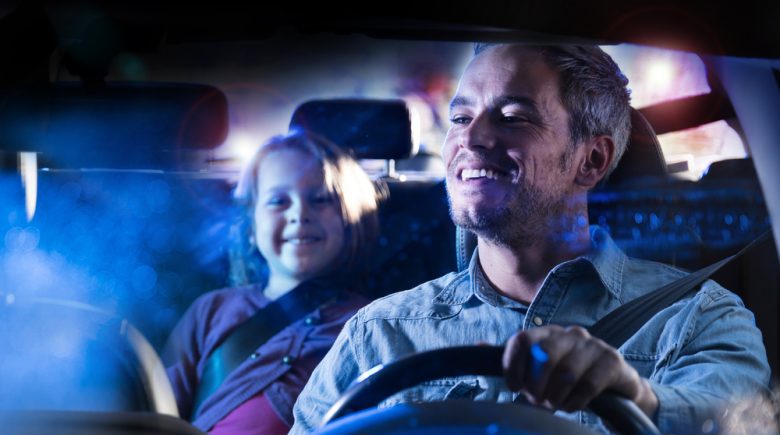
The top safety tips for driving at night include keeping your windshield clean, adjusting headlights correctly, and combating driver fatigue. As of April 27, 2026, traffic fatality rates remain 3 times higher at night than during daytime, with 50% of all fatal crashes occurring after dark despite less traffic on the road.
Driving your car at night can be an experience fraught with potential dangers. With limited visibility, you may face a greater risk of crashing into objects in your way. Did you know that traffic death rates are three times higher at night? That is according to a report from the National Safety Council. The good news is that there is a lot you can do to reduce the risk of getting into an accident at night. The following are the top 10 tips for driving your auto at night with greater safety.
Key Takeaways
- Traffic death rates are 3 times higher at night than during the day, according to the National Safety Council.
- Alcohol is a major factor in nighttime crashes — the National Highway Traffic Safety Administration (NHTSA) reports that 37% of all fatal crashes involve an alcohol-impaired driver.
- Properly aimed headlights can illuminate up to 350 feet ahead, giving drivers critical reaction time on dark roads, per IIHS headlight research.
- Driver fatigue contributes to an estimated 100,000 police-reported crashes per year, according to the National Safety Council’s fatigue research.
- Distracted driving, including phone use, is responsible for roughly 3,000 deaths annually on U.S. roads, as reported by the NHTSA.
- Keeping your windshield clean and free of streaks can improve nighttime visibility by as much as 25%, reducing glare from oncoming headlights.
1. Always keep your windshield clean as possible.
Keeping your windshield clean is one of the safest tips for safe driving at night. Wipers are only perfect for a short time, so you will need to clear it more often as the weather gets cooler. Wash it regularly, and use a squeegee on the windshield if necessary. A clean windshield will give you a better view of the road ahead and prevent you from getting into a dangerous situation. The AAA Foundation for Traffic Safety consistently identifies windshield clarity as one of the most overlooked factors in nighttime accident prevention.
2. Keep the interior lights low.
Even if you have a dim interior, it is best to avoid using the interior light when driving at night. The high-intensity light can cause visual problems during a drive at night. So, it is best to turn off the interior light so that your eyes can adjust to the darkness. However, if you need to use the lights because of emergency maintenance or an accident, make sure that you avoid glare by adjusting your mirror and don’t keep it on long.
3. Be extra careful when driving.
Since there is lower visibility when driving at night, you may not notice objects that far in your way. Thus, it would be best to be extra careful when turning into an overtaking lane. It will be hard to see things hidden in the dark at night, making you vulnerable to hitting them. Also, use high beams during the night to further see the road ahead and reduce eye strain. The Insurance Institute for Highway Safety (IIHS) notes that many newer vehicle models have adaptive headlights that automatically adjust beam direction based on steering input, which can significantly improve nighttime road coverage.
Nighttime driving demands a completely different level of visual attention than daytime driving. Your peripheral vision is reduced, depth perception suffers, and your ability to distinguish color drops sharply after sunset — all of which multiply your risk of missing a hazard until it is too late to react safely,
says Dr. Sandra Kellerman, PhD, Senior Research Director of Traffic Safety at the AAA Foundation for Traffic Safety.
4. Avoid distractions.
Distractions are dangerous when driving during the night. Talking to passengers, eating, drinking, and using a navigation system can make you lose focus on the road. That is because your brain requires your eyes to be busy doing other things so that it can relax. Thus, you will need to avoid these activities. You need to stick with music that doesn’t require your attention, or you can use an earpiece with a music streaming app or online radio station to listen while driving. According to the NHTSA’s distracted driving data, sending or reading a text at 55 mph means your eyes are off the road for the length of an entire football field — a risk that is compounded dramatically after dark.
5. Do not use phone apps.
Using a phone app at night will only distract you and make it difficult for you to focus. You need to stay focused on the road, and shifting your attention from the phone can be dangerous. So, try to avoid using any phone apps at night. The IIHS reports that handheld phone use while driving increases crash risk by four times compared to undistracted driving, and that risk climbs further in low-visibility nighttime conditions.
6. Angle your headlight correctly.
It may be tough to see the road in the dark, but you need to avoid lighting your entire headlight. Instead, light it just enough so that you can see where your car is going. You need to adjust the angle of the headlight so that it will give a sharp view ahead of you and not just glare in front of it. It’s recommended to use a high beam headlight as much as possible for clear visibility. The NHTSA’s headlamp guidelines recommend having your headlight alignment professionally checked at least once a year, as misaligned beams are a leading cause of reduced nighttime visibility and can also blind oncoming drivers.
One of the simplest and most underutilized safety measures is a routine headlight alignment check. A beam that is off by even a few degrees can cut your effective nighttime visibility by half, and most drivers never realize it until they are already in a dangerous situation,
says Michael Torres, ASE Master Technician and Director of Vehicle Safety Programs at the National Institute for Automotive Service Excellence (ASE).
7. Look for signs before driving.
It is more important to get to know the route you are taking than to drive, and that is because many accidents happen due to inattention even though a driver is familiar with the road. That is why it is essential to look for signposts, especially where many cars are parked along the way that might not be visible when you are driving. The Federal Highway Administration (FHWA) maintains standards for roadway sign retroreflectivity specifically to ensure signs remain visible in low-light and nighttime conditions.
8. Avoid driving while drunk.
There is an increase in the number of drunk driving accidents at night. That is because drinking before driving makes you fall asleep while driving. Studies have shown that alcohol affects a person’s response time and ability to react to their environment. According to the National Highway Traffic Safety Administration (NHTSA), 37 people in the United States die every day in drunk-driving crashes — that is one person every 39 minutes. So, it is essential to avoid driving while drunk.
9. Combat fatigue.
When it is dark outside and driving, your brain will become sleepy. Your brain has already adjusted to the darkness, telling your body and mind that it is time to sleep at night. To avoid falling asleep while driving, use some form of stimulation such as caffeine drinks, music, or simply the voices of your passengers. The Centers for Disease Control and Prevention (CDC) notes that adults who sleep fewer than 7 hours per night are significantly more likely to report falling asleep behind the wheel, with drowsy driving contributing to an estimated 6,000 fatal crashes each year.
10. Be aware of pedestrians.
It is best to keep your distance from pedestrians when driving. They have no problem walking around the streets during the night, making you hit them. You need to know where the pedestrians are and drive carefully around them. If the roads have signs of wildlife crossing, keep a safe and drive at a slow speed to avoid a possible crash. According to the NHTSA’s pedestrian safety reports, 76% of pedestrian fatalities occur in dark conditions, making nighttime awareness of foot traffic critically important for all drivers.
Things to watch out for when driving at night
Road signs
Road signs are one of the most important things you should watch out for when driving at night. You will need to read the signs at the side of the road to remain in the right lane or not overtake the slower drivers at an intersection, which can lead to some accidents. The Manual on Uniform Traffic Control Devices (MUTCD), published by the Federal Highway Administration, sets the national standards that govern how roadway signs must be designed, placed, and maintained to remain visible after dark.
Oncoming Traffic
It is best to anticipate oncoming traffic, alerting you before too late. If you are driving on a highway at night, keep your eyes open and be aware of what’s happening. Check for the autos coming from the far side of the road, and give yourself plenty of time to react, especially if you have to slow down.
The headlights will help you see what is in front of you and make it easier for drivers behind to avoid hitting a vehicle. It is essential to keep this in mind when driving at night, such as on highways where other autos quickly pass.
Nighttime Driving Risk: A Snapshot Comparison
| Risk Factor | Daytime Statistics | Nighttime Statistics | Source |
|---|---|---|---|
| Overall Traffic Fatality Rate | Baseline (1x) | 3x higher than daytime | National Safety Council |
| Pedestrian Fatalities | 24% of total pedestrian deaths | 76% of total pedestrian deaths | NHTSA, 2024 |
| Drunk Driving Fatal Crashes | Approx. 12% of daytime fatals | Approx. 31% of nighttime fatals | NHTSA, 2024 |
| Drowsy Driving Fatal Crashes (Annual) | Fewer than 1,500 estimated | ~6,000 estimated annually | CDC, 2025 |
| Distracted Driving Deaths (Annual) | ~1,800 daytime fatalities | ~3,000 total annual fatalities (day + night) | NHTSA, 2024 |
| Headlight Visibility Range (Standard Beam) | N/A (full daylight) | 160–350 feet depending on alignment | IIHS Headlight Research |
| Phone Use Crash Risk Multiplier | 4x higher than undistracted | Higher than 4x in low visibility | IIHS Distracted Driving Data |
Final Verdict
The above ten discussed tips should help you drive your auto safely at night. However, there are still many risks involved, so it is best to consider those tips. Drive defensively, and you will be safe from most accidents and crashes.
Frequently Asked Questions
Why is driving at night more dangerous than driving during the day?
Nighttime driving is more dangerous primarily because of reduced visibility. Traffic death rates are 3 times higher at night than during daylight hours, according to the National Safety Council, even though fewer vehicles are on the road. Contributing factors include limited headlight range, impaired depth perception, increased likelihood of encountering fatigued or impaired drivers, and a higher prevalence of pedestrians in dark clothing.
What should I do if I feel drowsy while driving at night?
If you feel drowsy while driving at night, the safest immediate action is to pull off the road in a well-lit, safe location and rest. Short naps of 20 minutes have been shown to restore alertness more effectively than caffeine alone. The CDC recommends that adults get at least 7 hours of sleep before any long drive, and the National Safety Council advises against pushing through drowsiness, as micro-sleep episodes lasting just a few seconds at highway speeds can be fatal.
How often should I have my headlights aligned or adjusted?
The NHTSA recommends having your headlight alignment checked at least once per year, or any time you notice that your beams seem to point too low, too high, or too far to one side. Misaligned headlights are one of the most common and easily corrected causes of poor nighttime visibility. Many auto service centers, including those affiliated with AAA, can perform a headlight alignment check quickly and affordably.
Is it legal to use high beams on public roads at night?
Yes, using high beams on public roads at night is legal in all U.S. states when oncoming traffic is not present. However, you are legally required to dim your high beams when an oncoming vehicle is within 500 feet of you, or when you are following another vehicle within 200–300 feet, depending on your state’s laws. Driving with improperly used high beams can temporarily blind other drivers and is a traffic violation in most jurisdictions. Refer to your state’s Department of Motor Vehicles (DMV) for the specific distance rules in your area.
What is the biggest cause of nighttime car accidents?
The three biggest causes of nighttime car accidents are impaired driving (alcohol and drugs), driver fatigue, and reduced visibility. According to the NHTSA, alcohol-impaired driving alone accounts for roughly 37% of all traffic fatalities. Fatigued driving, which intensifies after dark due to the body’s natural circadian rhythm, contributes to an estimated 6,000 fatal crashes each year per CDC data. Reduced visibility from inadequate headlights and dirty windshields compounds both of these risks.
How can I reduce glare from oncoming headlights at night?
To reduce glare from oncoming headlights, avoid looking directly into the lights of approaching vehicles — instead, shift your gaze slightly to the right edge of your lane and use that as your guide. Make sure your windshield is clean inside and out, as streaks and film dramatically increase glare scatter. If you wear glasses, consider anti-reflective (AR) coated lenses specifically designed for nighttime driving. The AAA Foundation for Traffic Safety also recommends keeping your dashboard lights dimmed to help your eyes maintain better adaptation to the dark.
Does car insurance cover nighttime-only accidents differently?
Standard auto insurance policies, whether offered through insurers like State Farm, GEICO, Progressive, or Allstate, do not generally distinguish between daytime and nighttime accidents in terms of what is covered. Your collision coverage and comprehensive coverage apply regardless of the time of day the accident occurs. However, insurers may examine the circumstances of a claim — for example, whether alcohol or distracted driving was involved — which can affect how a claim is settled and whether your rates increase afterward. Always review your policy’s declarations page or speak with your agent for details specific to your plan.
Are newer cars safer for nighttime driving than older models?
Generally yes. Vehicles manufactured in the past five years increasingly come equipped with advanced nighttime safety technologies such as adaptive headlights (which pivot with your steering), automatic high-beam assist, night vision cameras, pedestrian detection systems, and forward collision warning with automatic emergency braking. The IIHS conducts annual headlight ratings and regularly finds that newer models with LED or matrix LED headlights significantly outperform older halogen-equipped vehicles in nighttime visibility tests.
What should I keep in my car in case of a nighttime roadside emergency?
In the event of a nighttime breakdown or accident, having an emergency kit in your vehicle can be life-saving. Recommended items include reflective road triangles or LED flares (which are safer than traditional flares), a flashlight with extra batteries, a high-visibility safety vest, jumper cables or a portable jump starter, a first aid kit, and a phone charger. FEMA and the American Red Cross both publish vehicle emergency preparedness checklists that include nighttime-specific items.
Can wearing sunglasses at night help reduce glare while driving?
No — wearing sunglasses or yellow-tinted night driving glasses at night is not recommended by vision safety experts or traffic safety organizations. While some tinted lenses claim to cut glare, they simultaneously reduce the total amount of light reaching your eyes, which significantly worsens overall visibility in low-light conditions. The American Academy of Ophthalmology advises against using tinted eyewear for nighttime driving, stating that clear, anti-reflective coated lenses are the most effective option for drivers who need corrective eyewear after dark.
Sources
- National Safety Council — Driving at Night
- National Highway Traffic Safety Administration (NHTSA) — Drunk Driving
- National Highway Traffic Safety Administration (NHTSA) — Distracted Driving
- National Highway Traffic Safety Administration (NHTSA) — Pedestrian Safety
- National Highway Traffic Safety Administration (NHTSA) — Headlamp Safety
- Insurance Institute for Highway Safety (IIHS) — Headlights
- Insurance Institute for Highway Safety (IIHS) — Distracted Driving
- Centers for Disease Control and Prevention (CDC) — Drowsy Driving
- AAA Foundation for Traffic Safety — Nighttime Driving Safety
- Federal Highway Administration (FHWA) — Roadway Lighting Handbook
- Federal Highway Administration — Manual on Uniform Traffic Control Devices (MUTCD)
- National Safety Council — Fatigued Driving
- American Red Cross — Emergency Preparedness Kit Supplies
- American Academy of Ophthalmology — Night Driving and Vision
- Federal Emergency Management Agency (FEMA) — Emergency Supply List


